


 EN
EN


Forex
-
Perpetual DEXs: How On-Chain Perpetual Futures Work, the Order-Book vs Pool Models, and the Risks of Self-Custody Trading
 16 October 2026
,
Abe Cofnas
16 October 2026
,
Abe Cofnas
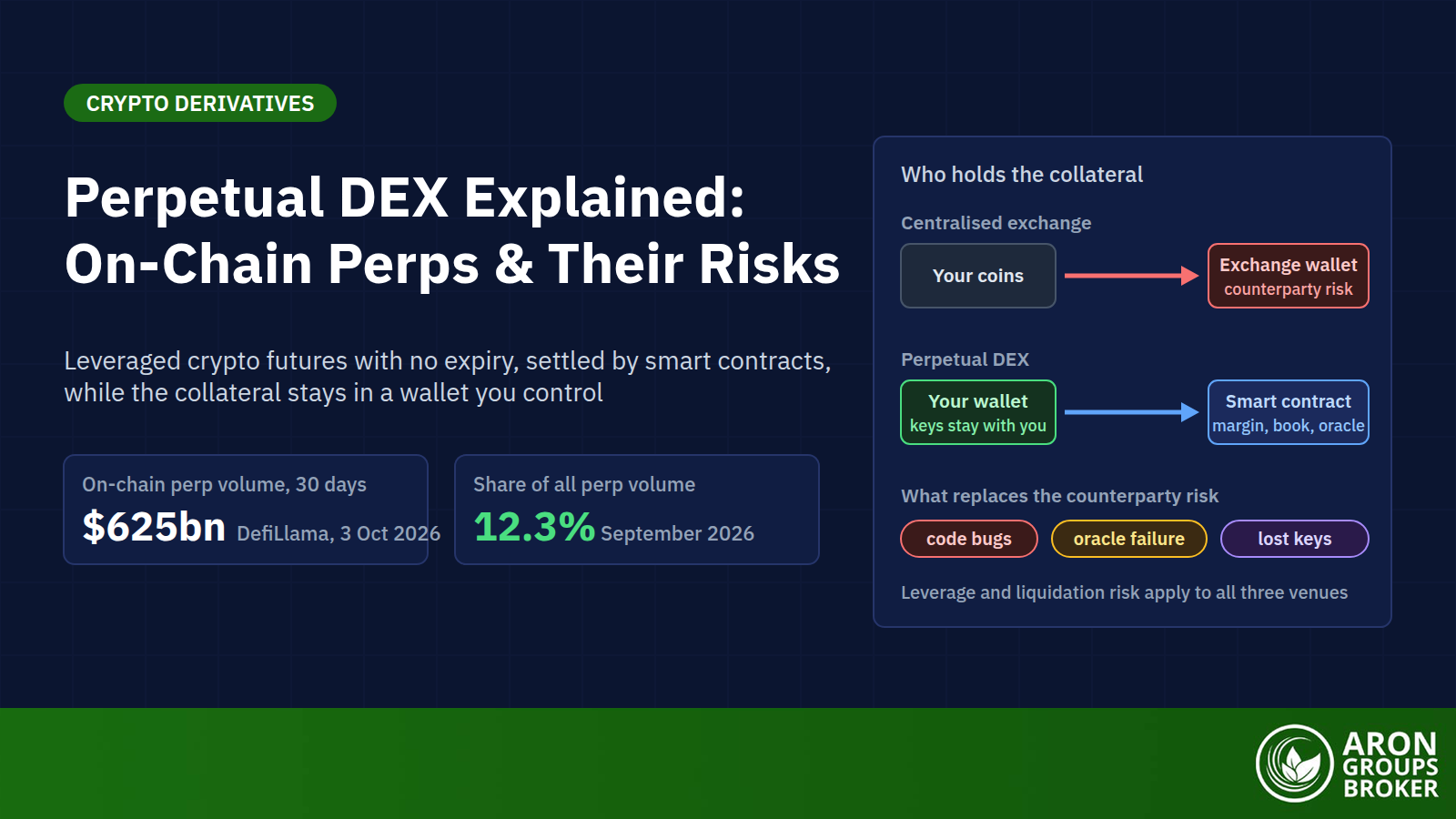
A perpetual DEX is a decentralised exchange for trading perpetual futures, leveraged crypto contracts with no expiry date, through smart contracts on a blockchain. Your collateral stays in a wallet you control rather than in an exchange account. There is no company holding your coins, and no company to call when something goes wrong. It […]
- Read more
-
Covered Call ETF vs Dividend ETF: High Yield vs Long-Term Growth, and Why “Yield” Is Not “Return”
16 October 2026
,
Abe Cofnas
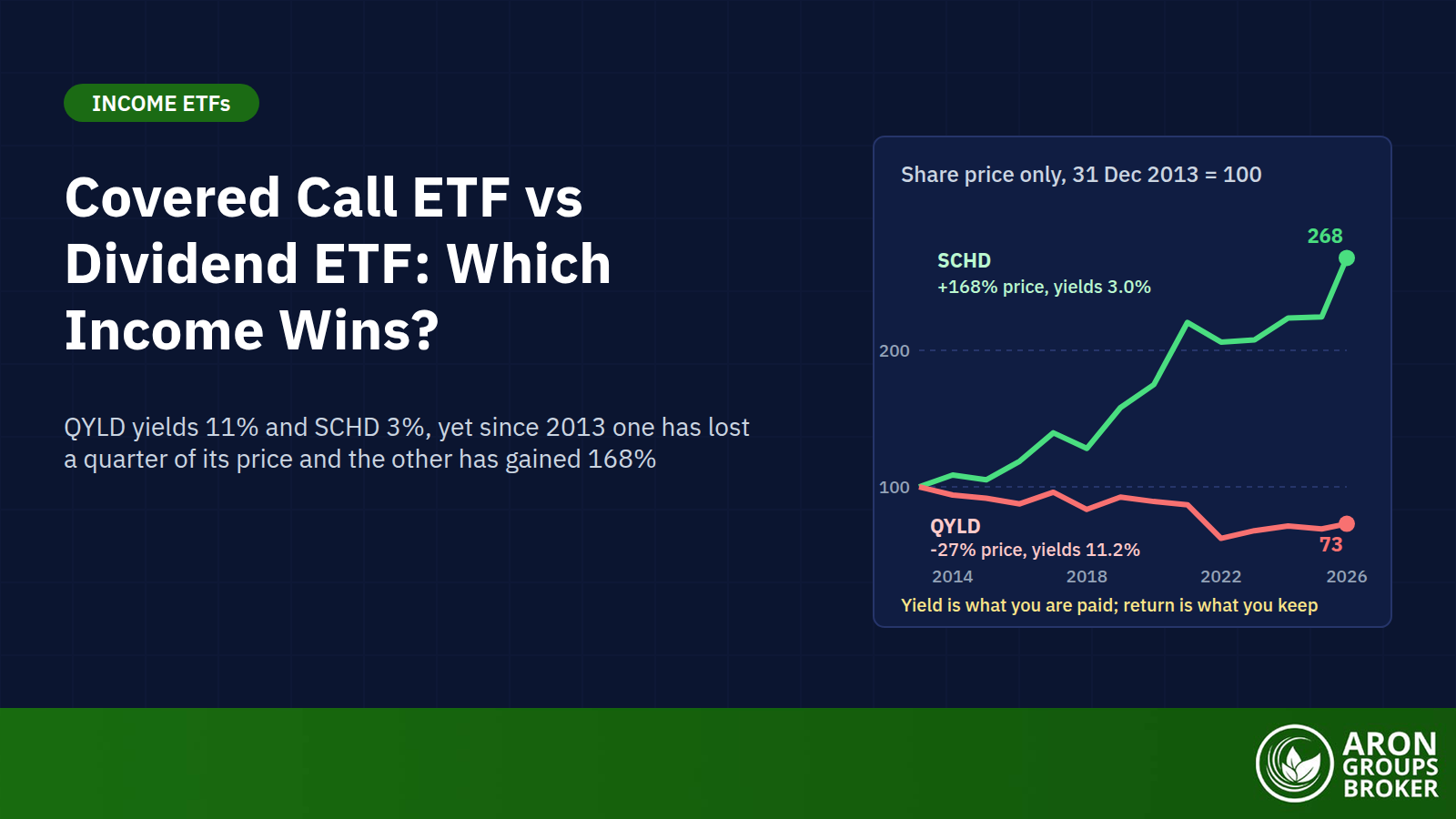
The covered call ETF vs dividend ETF choice comes down to where the income is made. A covered call ETF sells call options on the shares or index it holds and pays out the premium, often 8% to 12% a year. A dividend ETF passes on the dividends its companies pay, usually 2% to 4%, […]
- Read more
-
AI Stock Prediction Tools: The Types, What They Actually Do, and Why AI Is Not a Crystal Ball
16 October 2026
,
Abe Cofnas
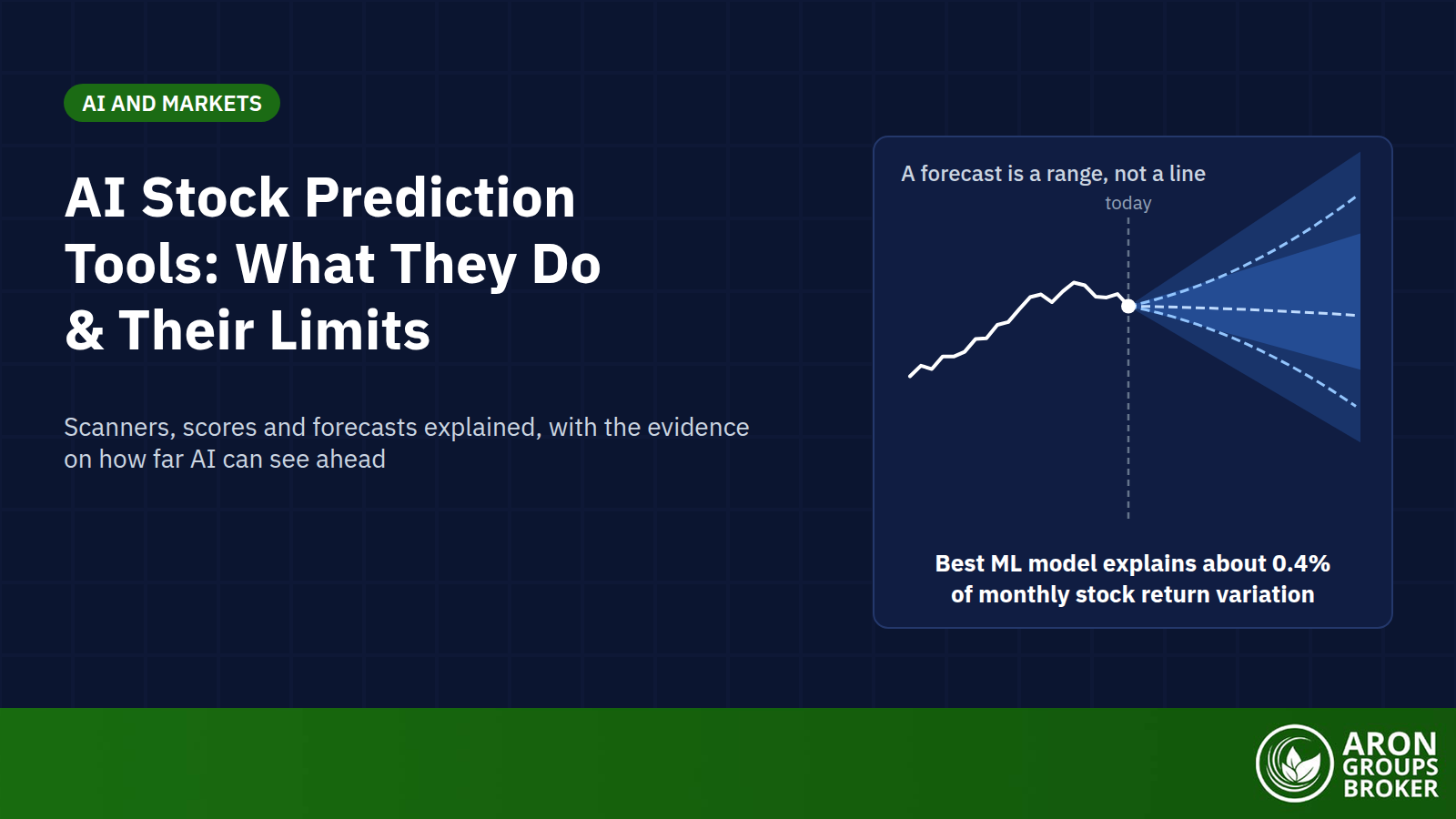
AI stock prediction tools are software products that use machine learning to scan markets, score stocks or forecast price moves from large amounts of data. They range from real-time scanners such as Trade Ideas to rating systems such as Danelfin and TipRanks. They can process far more information than any person, but none of them […]
- Read more
-
Term Premium Explained: The Risk Compensation Hidden Inside Long-Term Bond Yields
16 October 2026
,
Abe Cofnas
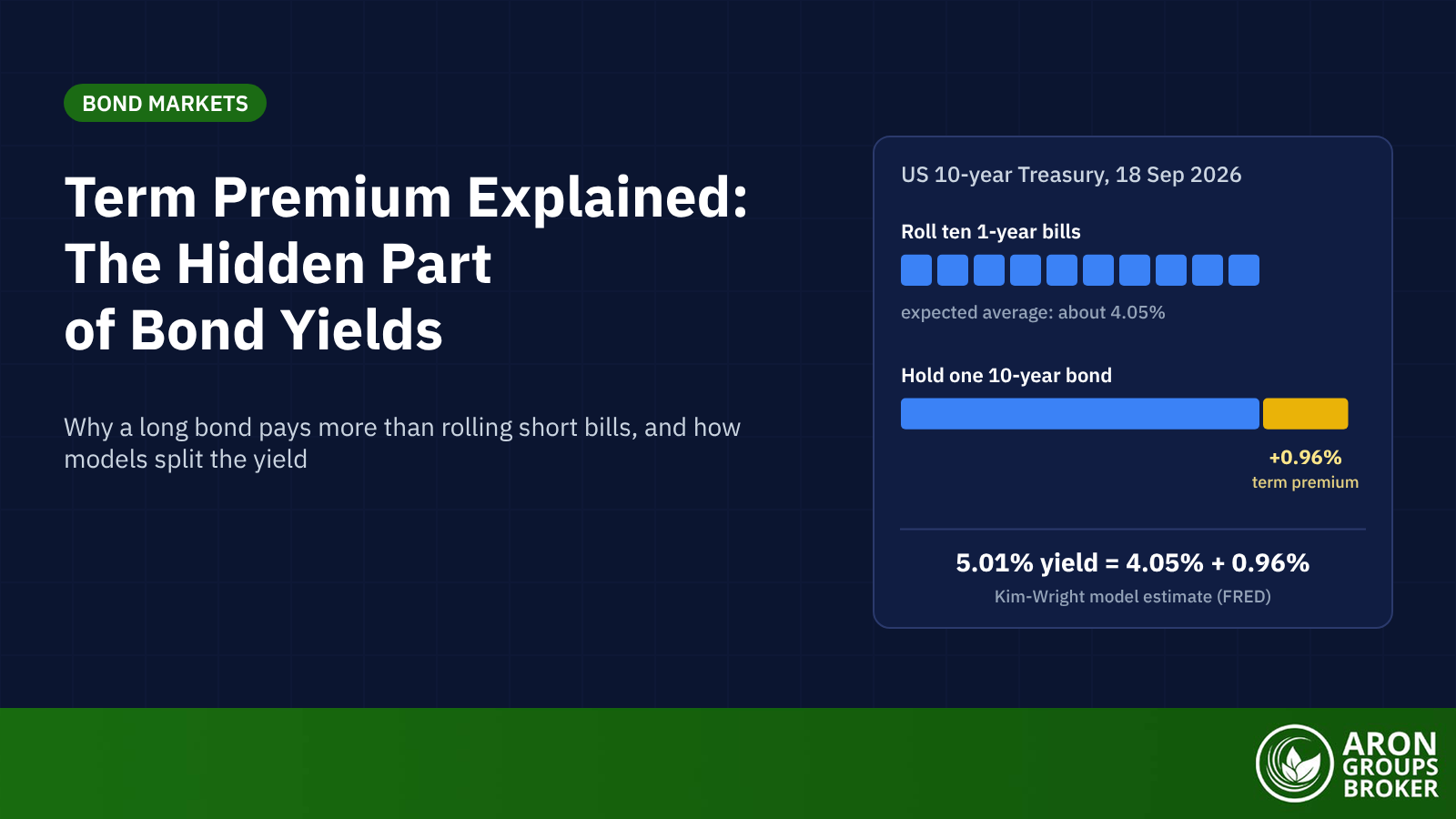
The term premium is the extra yield investors demand for holding a long-term bond instead of rolling over a series of short-term ones. It is their pay for locking money away and for carrying the risk that interest rates or inflation move against them. Despite the name, it has nothing to do with term life […]
- Read more
-
The Financial Conditions Index: How One Gauge Measures Tight or Loose Markets, and Why It Moves Gold and the Dollar
13 October 2026
,
Abe Cofnas
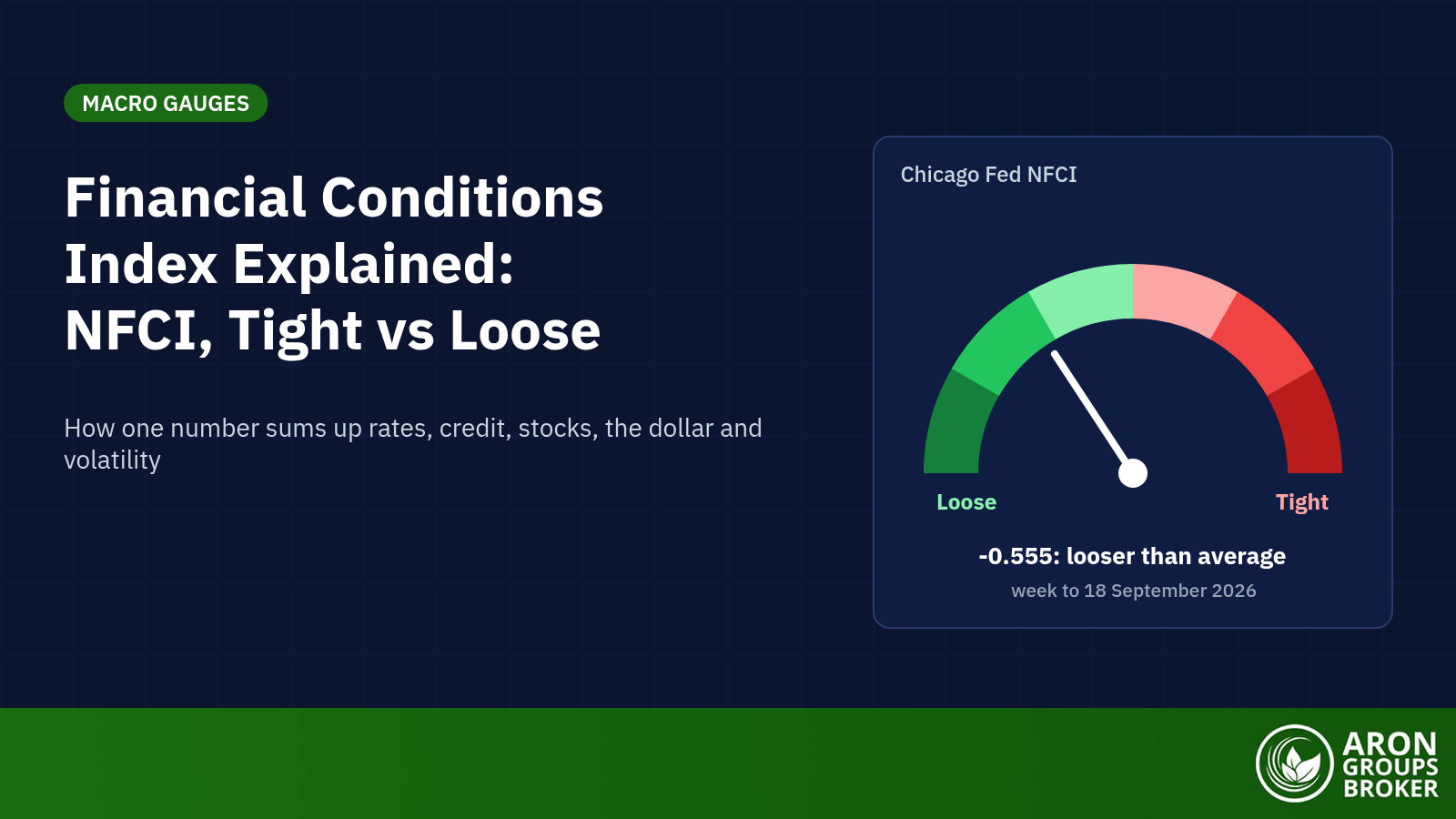
A financial conditions index (FCI) is a single number that sums up how easy or hard it is to borrow, invest and take risk in an economy. It combines interest rates, credit spreads, stock prices, the exchange rate and volatility into one gauge of the financial weather. When conditions tighten, they act as a headwind […]
- Read more
-
Yield Curve Inversion Explained: Why It Warns of Recession, and What It Means for Markets
13 October 2026
,
Abe Cofnas
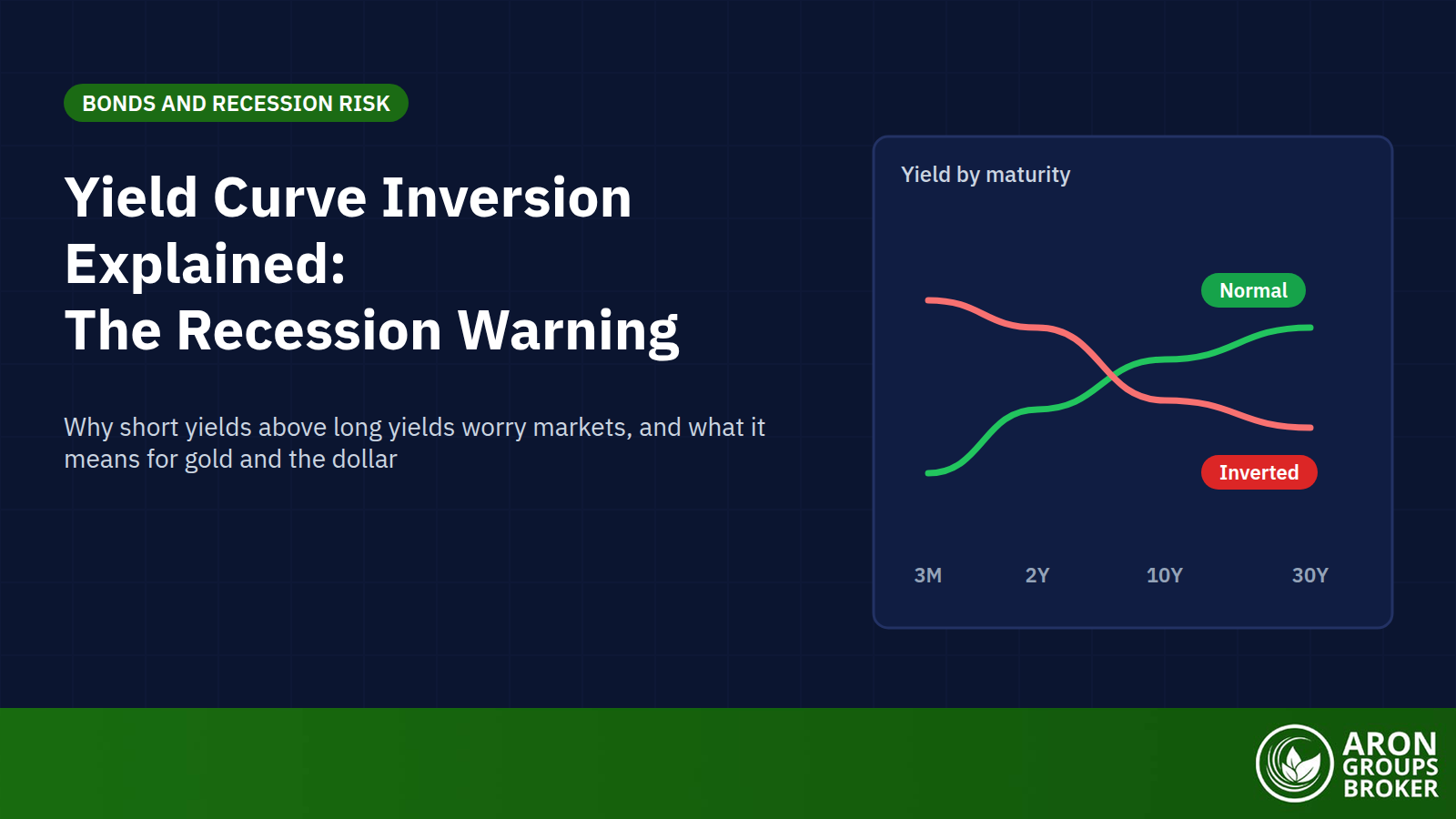
A yield curve inversion happens when short-term government bond yields rise above long-term yields, so the yield curve slopes down instead of up. It is the bond market’s most famous recession warning, because an inverted yield curve says investors expect interest rates and growth to fall. In the United States it has preceded almost every […]
- Read more
-
Dollar Liquidity and Global Liquidity: The Macro Tide That Moves Gold, Crypto, and the Dollar
12 October 2026
,
Abe Cofnas
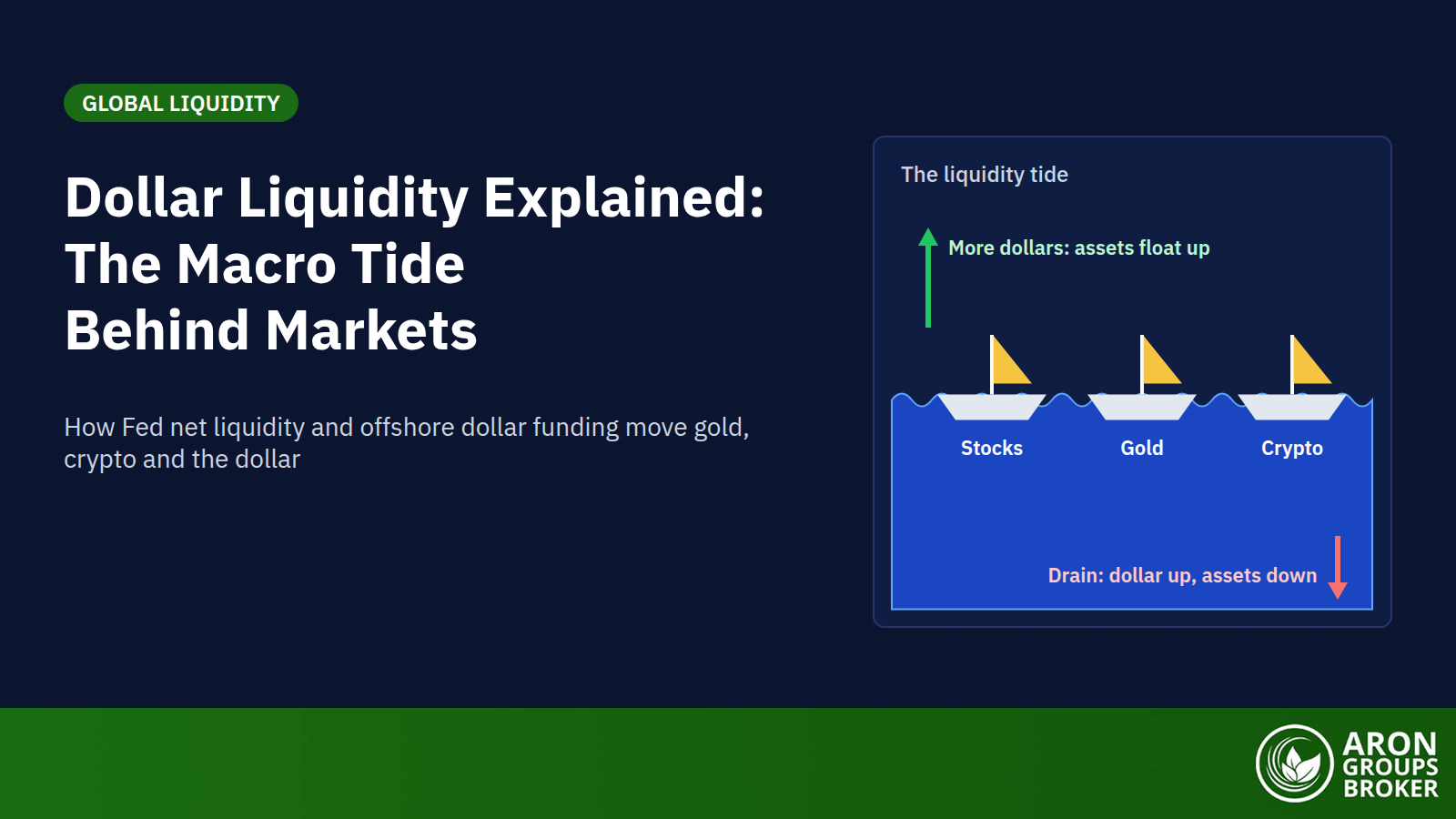
Dollar liquidity is the amount of US-dollar funding available in the financial system. Because the dollar is the world’s reserve and funding currency, it feeds a broader measure called global liquidity: the total flow of money and credit across borders. When dollar liquidity is plentiful, shares, crypto and gold tend to rise. When it drains, […]
- Read more
-
Liquidation Heatmaps: How to Read Where Leveraged Positions Get Liquidated, and Why Price Chases Them
12 October 2026
,
Abe Cofnas
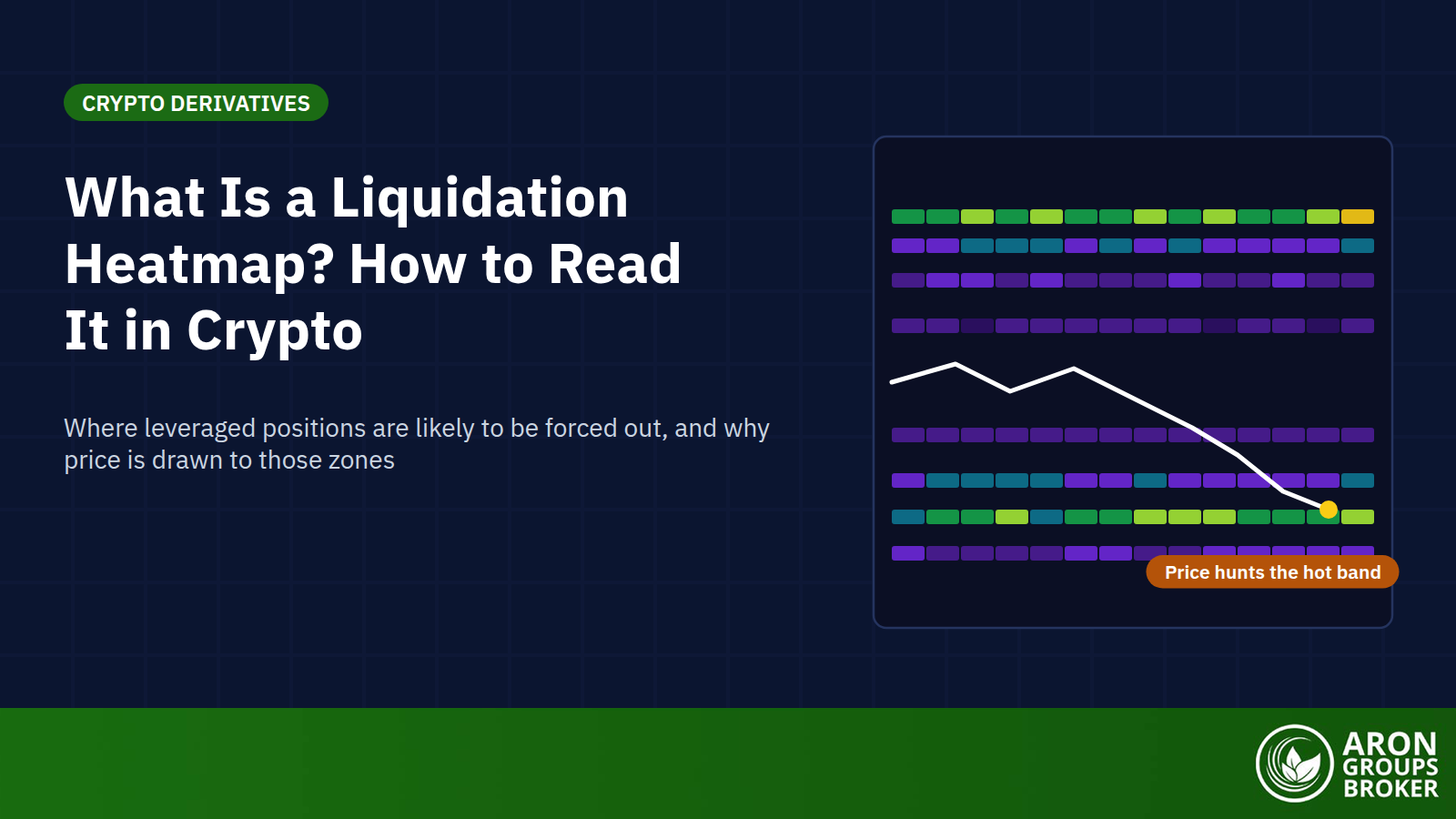
A liquidation heatmap is a chart that estimates the price levels where large clusters of leveraged crypto positions would be forcibly closed. Brighter colours mark bigger estimated clusters, so the map shows at a glance where forced selling or forced buying could concentrate. Traders use it mainly for Bitcoin and Ether futures, where leverage of […]
- Read more
-
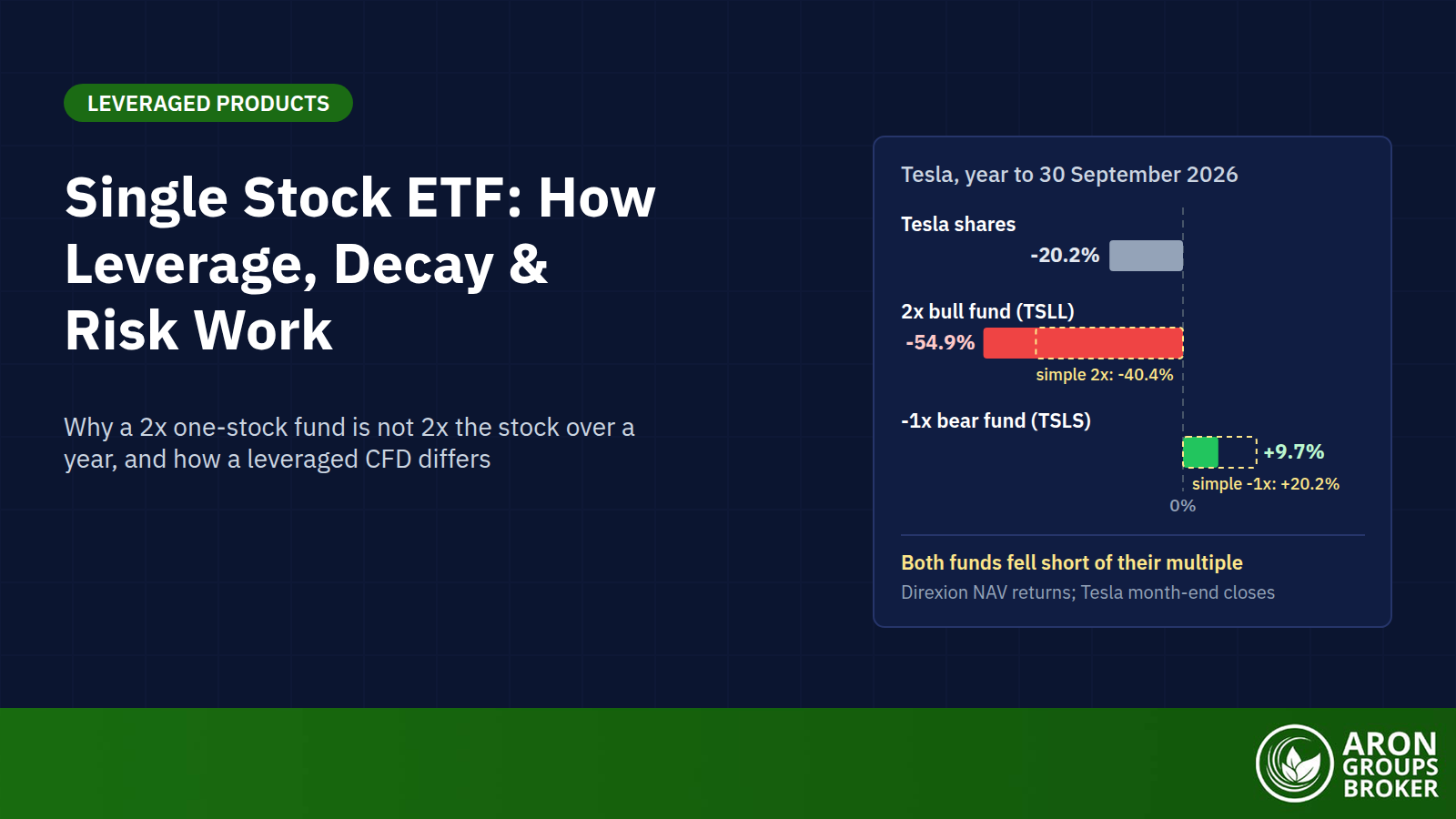
Single Stock ETFs: How Leveraged and Inverse One-Stock Funds Work, Volatility Decay, and How They Compare to CFDs
12 October 2026
,
Abe Cofnas
A single stock ETF is an exchange-traded fund that gives leveraged or inverse exposure to one company’s shares rather than to a basket or an index. A 2x fund aims to deliver twice the stock’s return on a single day, and a -1x fund the opposite of it, usually through swaps that reset every day. […]
- Read more
-
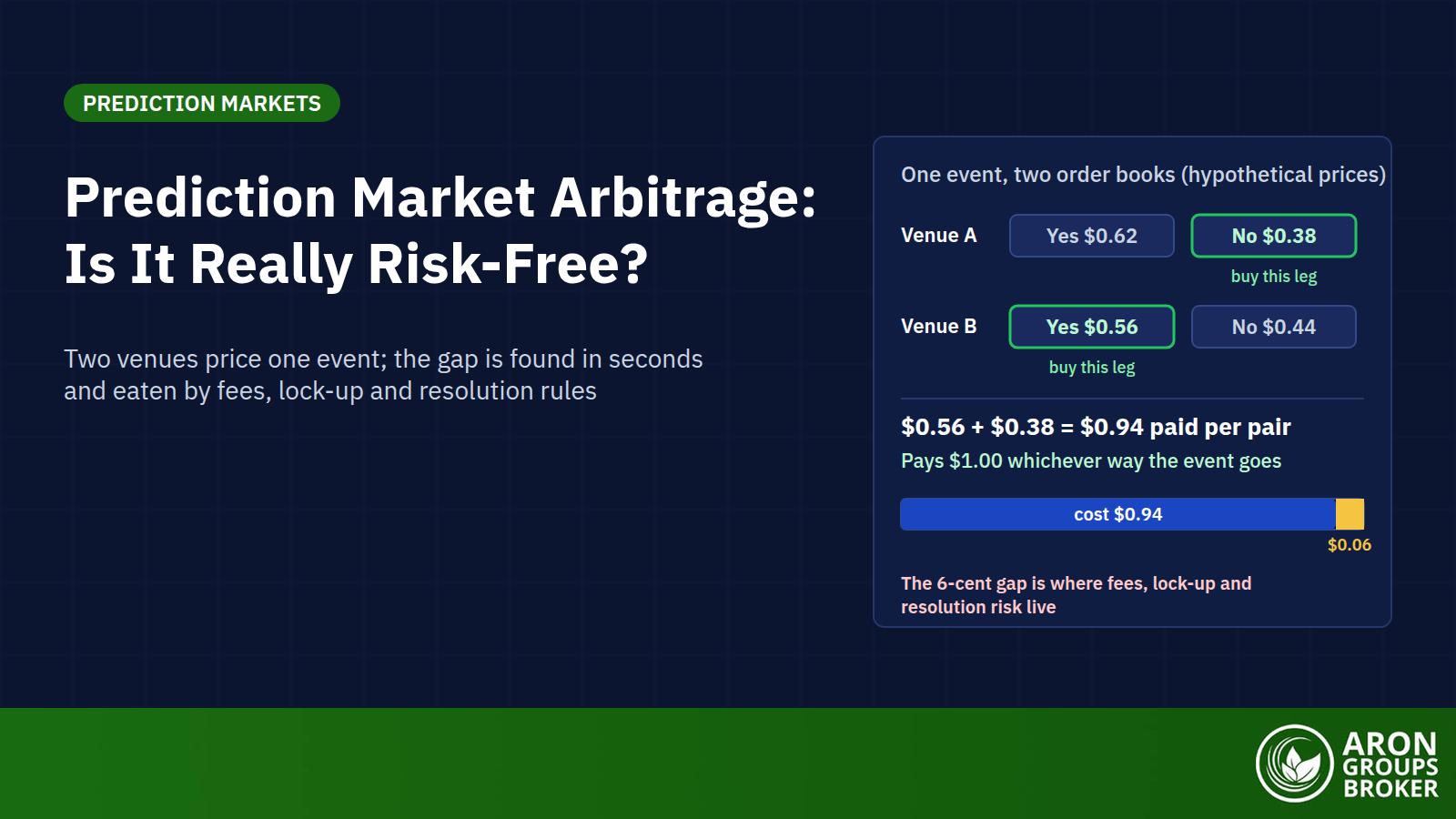
Prediction Market Arbitrage: How Cross-Platform Spreads Work, and Why “Risk-Free” Has a Catch
12 October 2026
,
Abe Cofnas
Prediction market arbitrage is the practice of buying the same event at different prices on two prediction markets, or both sides of one market. Either way the position pays out whatever happens. Because the profit does not depend on the outcome, people call it risk-free. In practice it is low-risk work with real frictions, not […]
- Read more
Load more