

 EN
EN


Technical
-
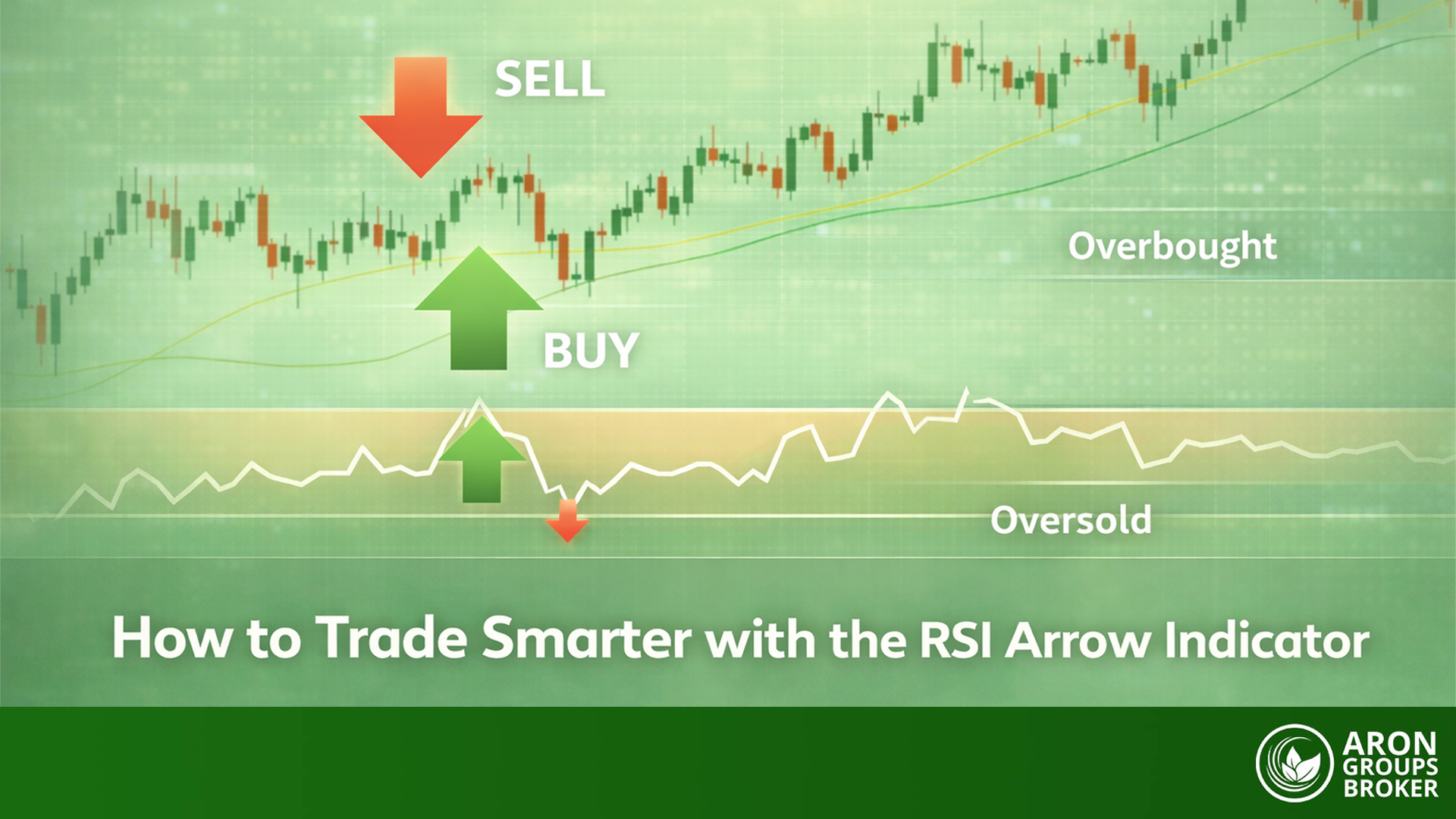
How to Trade Smarter with the RSI Arrow Indicator
 12 April 2026
,
Abe Cofnas
12 April 2026
,
Abe Cofnas
An RSI arrow indicator is a simplified version of RSI that prints buy/sell arrows when RSI meets a preset condition (most commonly, crossing out of oversold/overbought). It sounds convenient, but are those arrows giving you a clean decision framework, or are they hiding the RSI context you actually need to trade well? Key Takeaways RSI […]
- Read more
-
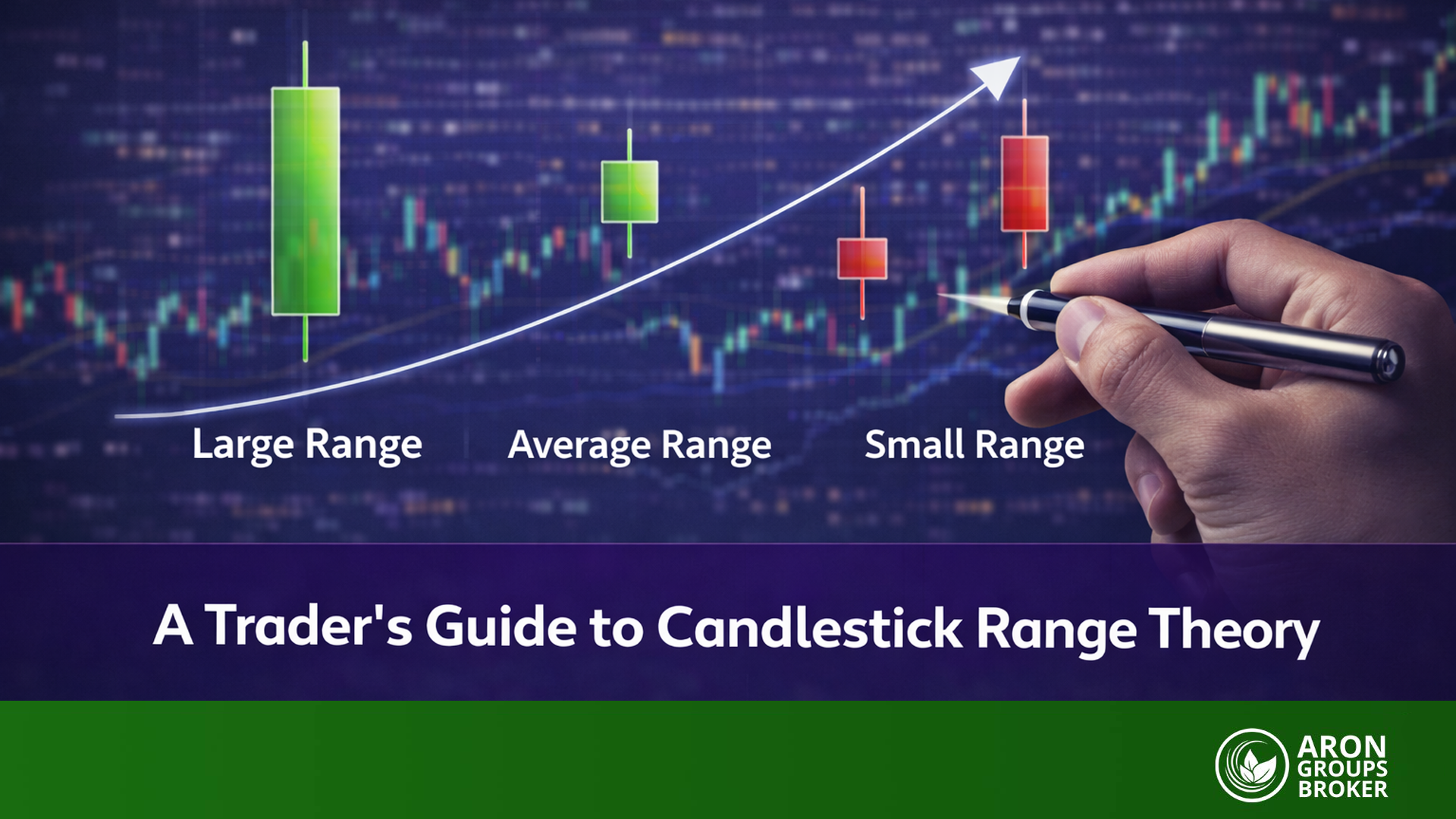
A Trader’s Guide to Candlestick Range Theory for Consistent Profits
11 April 2026
,
Abe Cofnas
Candlestick Range Theory (CRT) is a range-based price action model where you mark a higher-timeframe candle’s high/low, watch for a liquidity sweep outside that range, then look for price to re-enter and deliver a clean move (often back through the range) using multi-timeframe analysis. The idea is to avoid false breakouts, but are you defining […]
- Read more
-
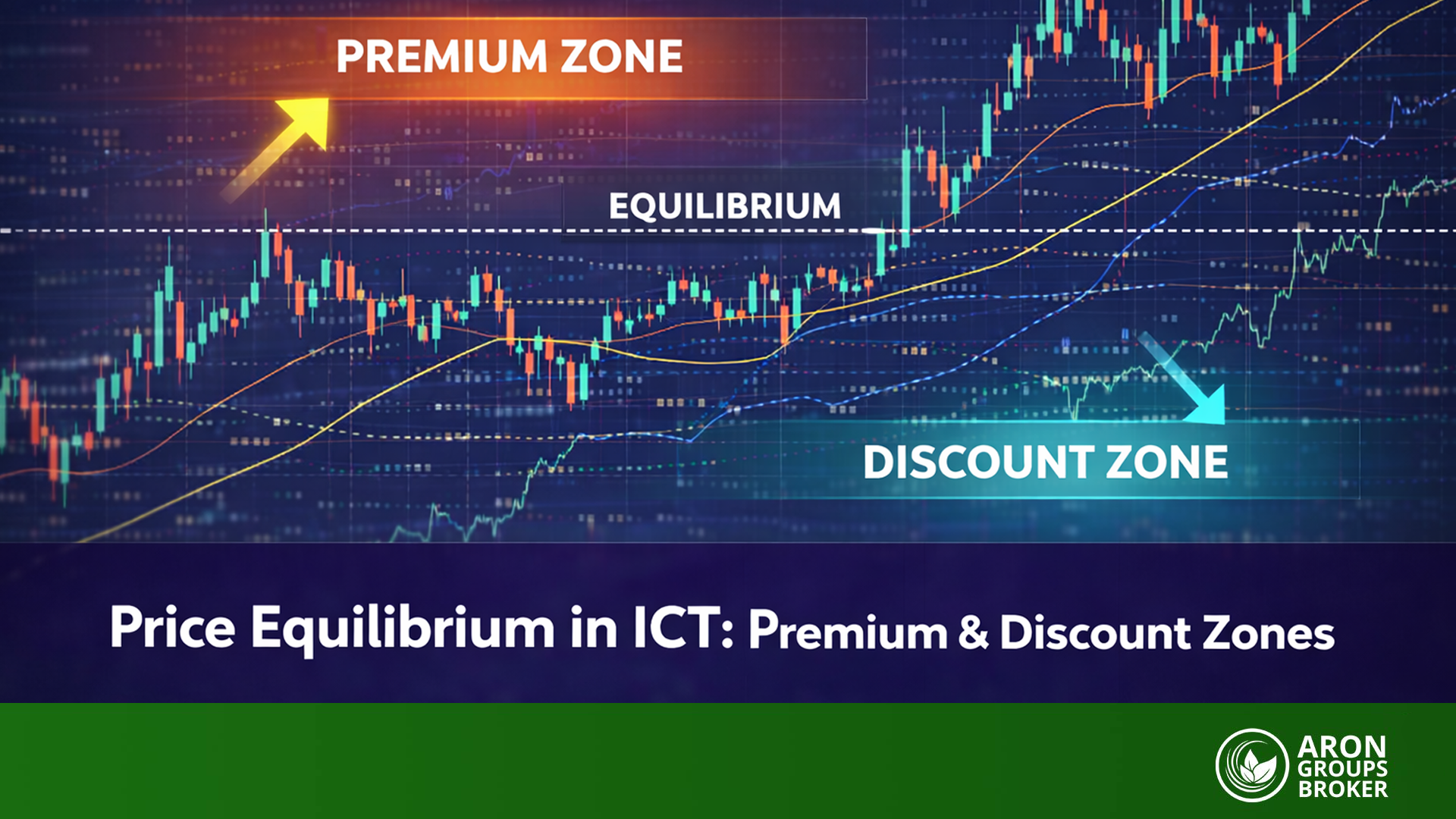
Profitable Trading Around ICT Equilibrium Zones
9 April 2026
,
Abe Cofnas
ICT Equilibrium is the 50% midpoint of a clearly defined dealing range. It acts like a fair price reference that splits the range into premium (above) and discount (below). That sounds simple, but most traders misuse it. They either trade right on the midpoint or they keep shifting the range until the midpoint fits. So […]
- Read more

-
A Practical Guide to Using ICT Silver Bullet in Trading
6 April 2026
,
Abe Cofnas
The ICT Silver Bullet strategy is often described as a simple intraday setup. In professional use, it is better treated as a constrained execution framework whose reliability depends on operational discipline: strict time window enforcement, explicit liquidity definitions, and confirmation rules that prevent discretionary pattern matching. Most failure cases do not originate from the concept […]
- Read more
-
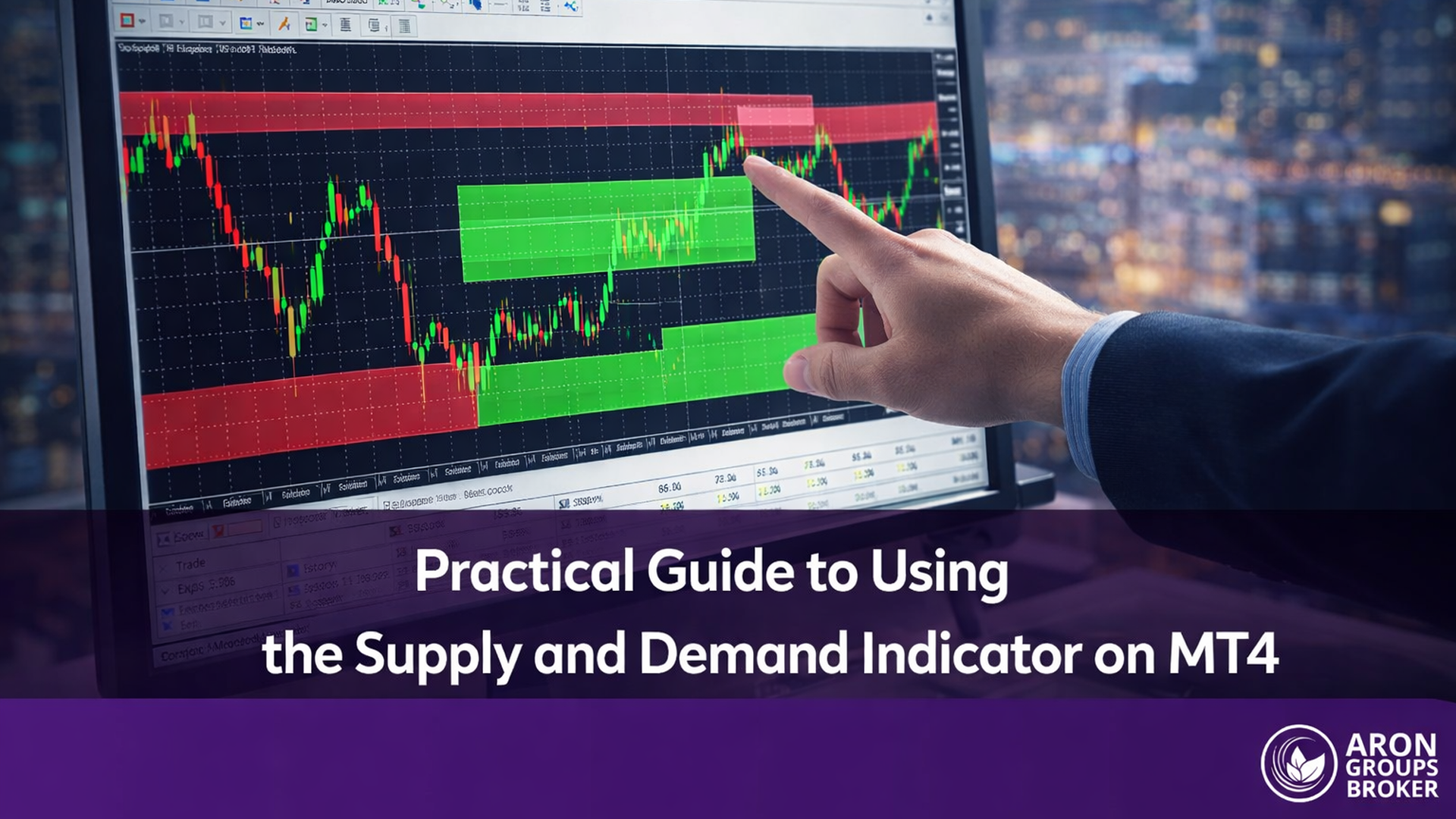
Practical Guide to Using the Supply and Demand Indicator on MT4
2 April 2026
,
Abe Cofnas
Institutional price levels rarely appear as single candles. They form as structured zones where large-volume participants have placed orders in the past, and the Supply and Demand Indicator MT4 exists to isolate these zones automatically. Rather than scanning every chart by hand, traders can leverage this indicator to surface the exact price regions where buying […]
- Read more
-
Identifying the Best Trend Strength Indicator for Reliable Trading Decisions
24 March 2026
,
Abe Cofnas
Experienced traders know that trend strength is just as important as direction. A strong trend can offer high-probability trading opportunities, while a weak trend often leads to false signals and sudden reversals. Among trend strength indicators, many professionals consider ADX to be the best trend strength indicator, especially in Forex markets. In this guide, we […]
- Read more
-
High-Probability ICT Scalping for Fast Intraday Entries
27 February 2026
,
Abe Cofnas
An ICT scalping strategy is a fast intraday entry model built for 1 clean move, not a full session trend. It works when you trade inside Kill Zones, identify a clear liquidity draw (BSL/SSL), then execute the same sequence: Sweep → Displace → Retrace → Enter. The real question is this: are you scalping a […]
- Read more

-
Optimal Trade Entry Techniques for ICT Traders
27 February 2026
,
Abe Cofnas
Optimal Trade Entry (OTE) is a way ICT traders use Fibonacci to find a high-probability pullback zone inside a clear swing (usually the 61.8% to 79% retracement), but the real question is this: are you using it as a smart location tool (with structure and liquidity), or just drawing fibs on every dip and hoping […]
- Read more
-
Turn Market Gaps into Opportunities with ICT Liquidity Voids
27 February 2026
,
Abe Cofnas
Have you ever noticed how prices in markets sometimes jump quickly, skipping over certain levels like a space? That’s a liquidity void. a spot where few trades occur due to imbalances caused by big players, often in ICT liquidity void setups. It creates price inefficiency zones that pull prices back, offering chances in liquidity void […]
- Read more

-
A Step-by-Step Guide to Trading Bullish Divergence RSI
27 February 2026
,
Abe Cofnas
Price does not move randomly. It often slows down before changing direction, and momentum indicators help traders spot that shift early. One of the most reliable signals is bullish divergence RSI, which appears when the price continues falling but the RSI indicator starts rising. This pattern can signal weakening selling pressure and a possible reversal. […]
- Read more
Load more