


 EN
EN


Forex
-
The Protective Put Strategy: How to Insure a Stock Position, What It Costs, and When to Use It
 22 October 2026
,
Walter Writes
22 October 2026
,
Walter Writes
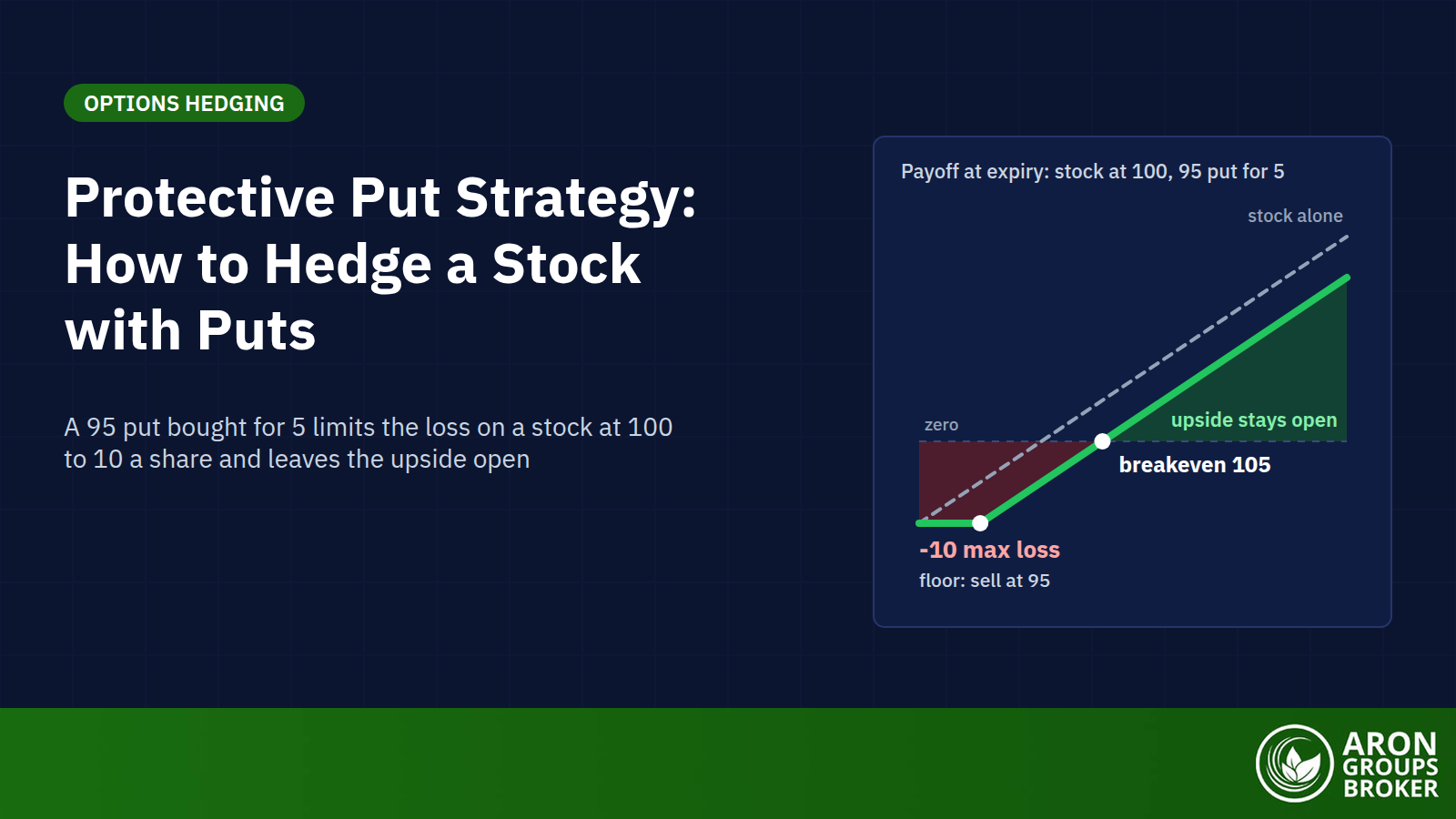
A protective put is an options strategy in which you buy a put option on a stock you already own. The put gives you the right to sell at its strike price, so the strike becomes a floor under the position. You keep the upside and pay a premium for the cover. With stocks near […]
- Read more
-
The Put Credit Spread (Bull Put Spread): Setup, Payoff, and How to Collect Premium with Defined Risk
22 October 2026
,
Abe Cofnas
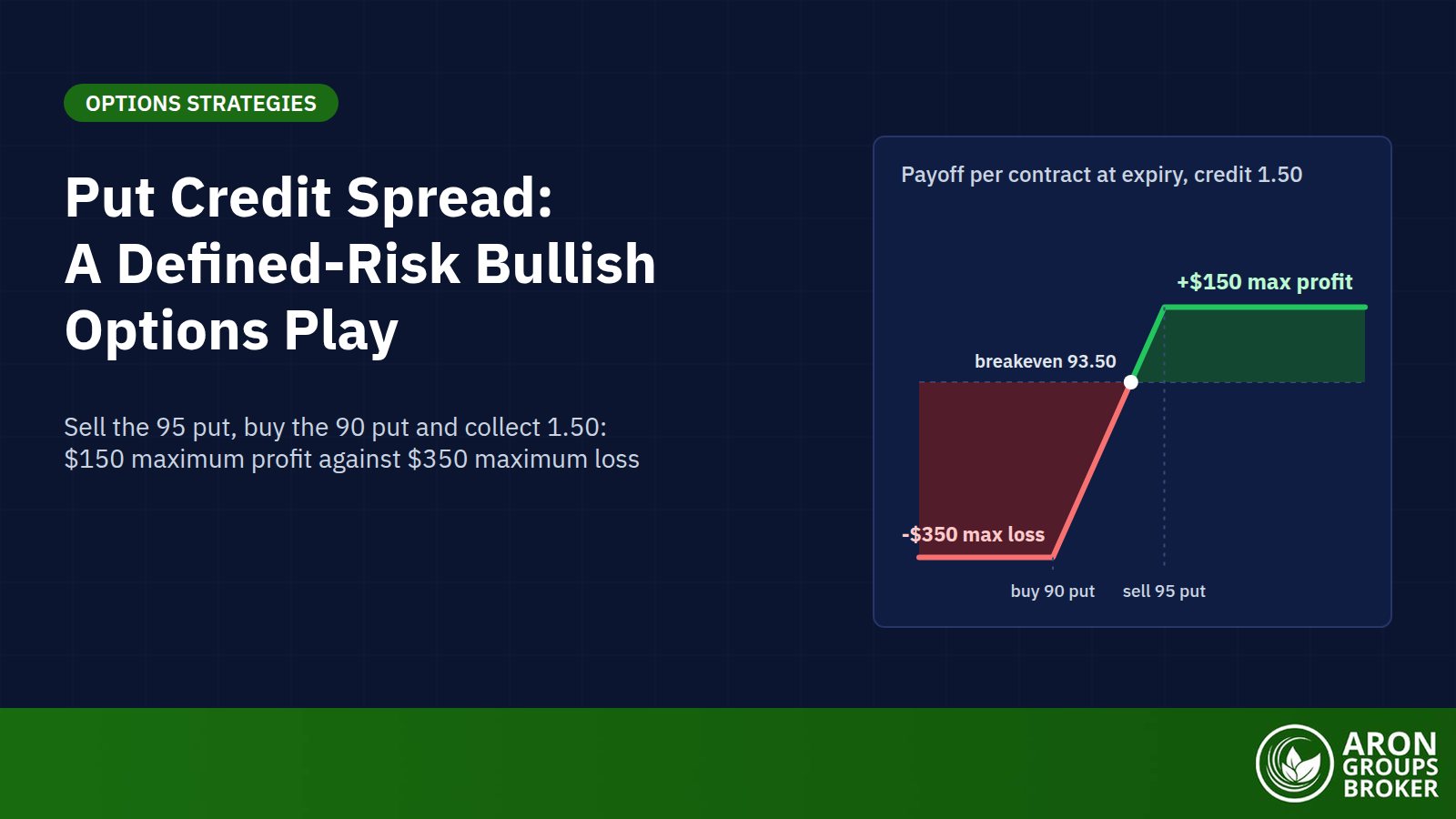
A put credit spread sells a put at a higher strike and buys a put at a lower strike. It is also called a bull put spread or short put spread. Both puts share one expiry. The trader collects a net credit up front and keeps all of it if the stock finishes above the […]
- Read more
-
The Consumer Confidence Index (CCI): How It Is Measured, What It Signals, and How It Moves the Dollar and Gold
22 October 2026
,
Abe Cofnas
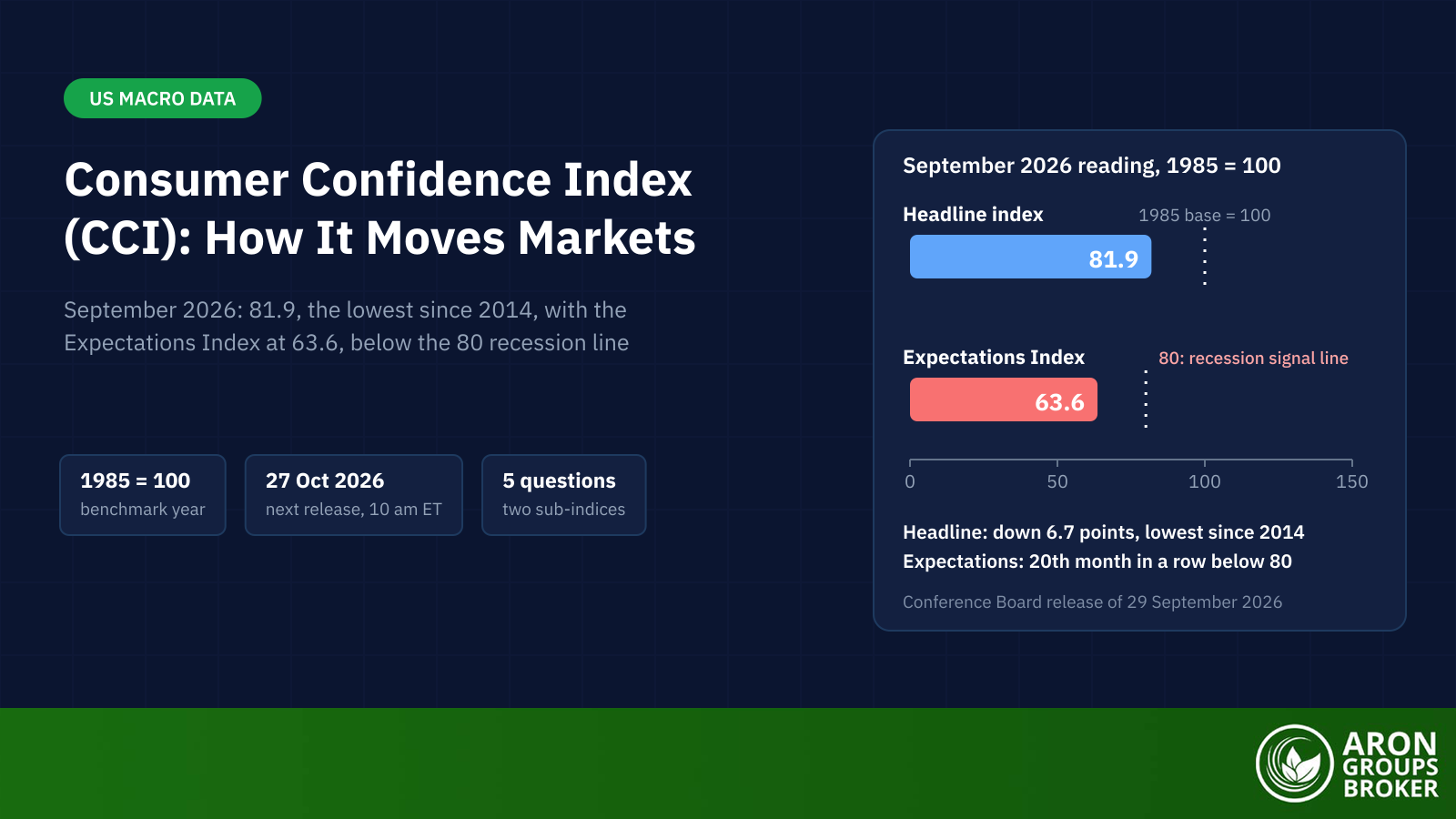
The consumer confidence index is a monthly survey measure of how optimistic or pessimistic US households feel about business conditions, jobs and their own income. The Conference Board publishes the main US version, scaled so that the 1985 average equals 100. It is not the Commodity Channel Index, a technical indicator that shares the CCI […]
- Read more
-
Iron Condor Options Strategy: Structure, Payoff, and How to Profit from a Range-Bound Market
21 October 2026
,
Abe Cofnas
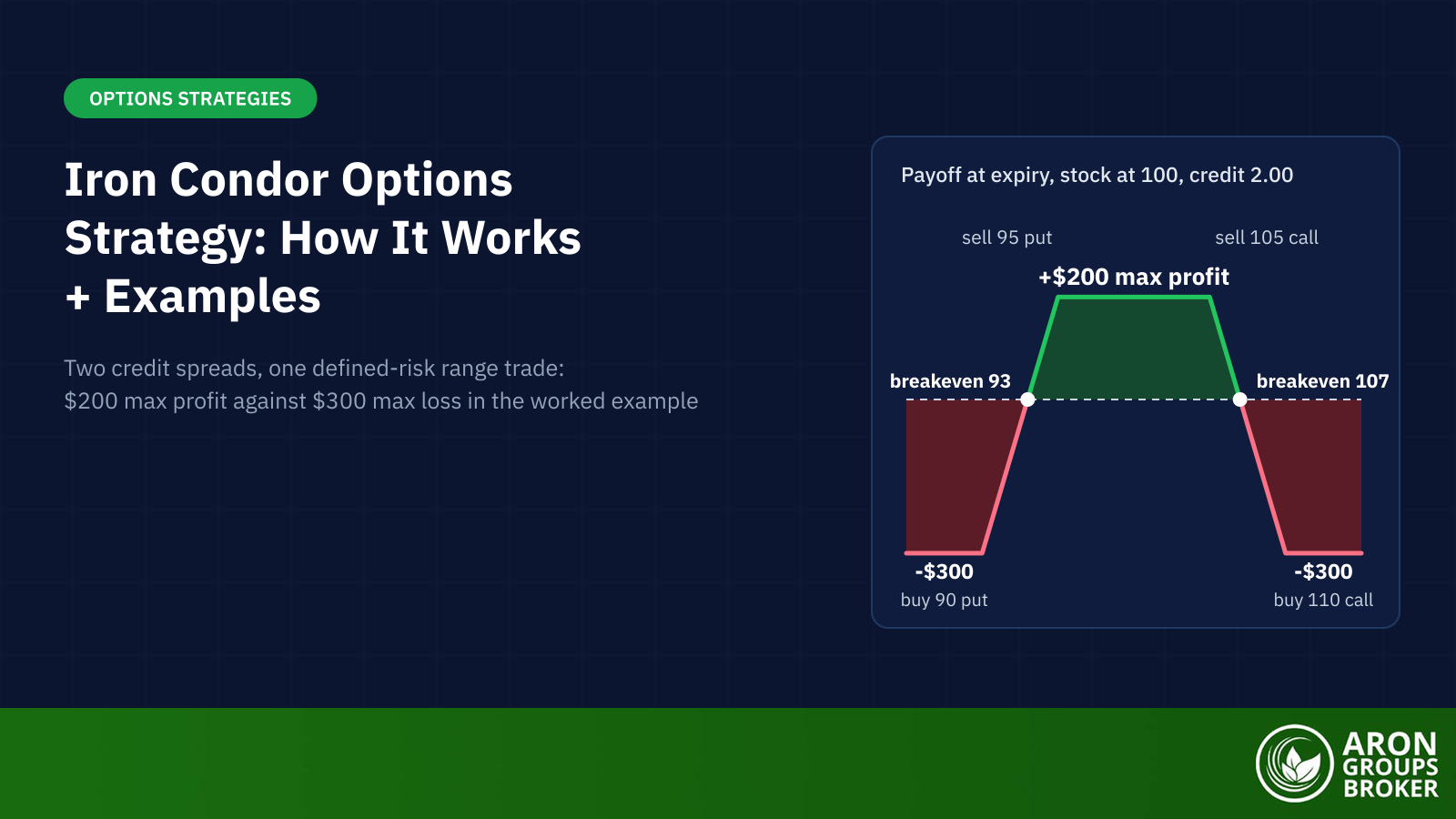
An iron condor is a defined-risk, neutral options strategy built from four options with the same expiration date. It pairs a bull put spread below the market with a bear call spread above it. You collect a net credit up front and keep it all if the underlying finishes between the two short strikes at […]
- Read more
-
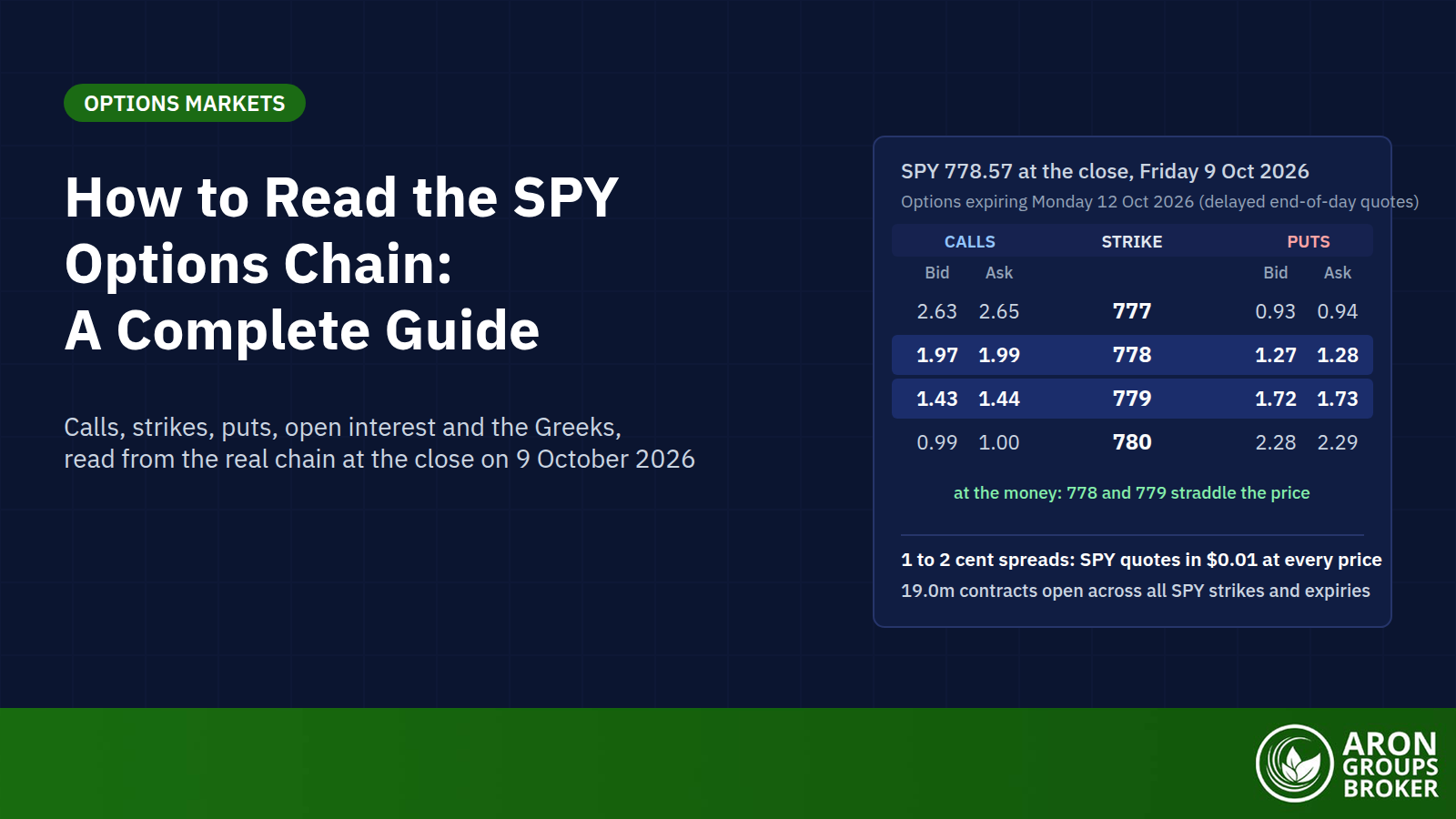
How to Read the SPY Options Chain: Strikes, Greeks, Open Interest, and What the Most Liquid Options Market Is Telling You
21 October 2026
,
Abe Cofnas
The SPY options chain is the table listing every call and put on SPY, the SPDR S&P 500 ETF, by expiration date and strike. For each contract it shows the bid, the ask, the last trade, the day’s volume, open interest, implied volatility and the Greeks. It is the most watched chain in the world […]
- Read more
-
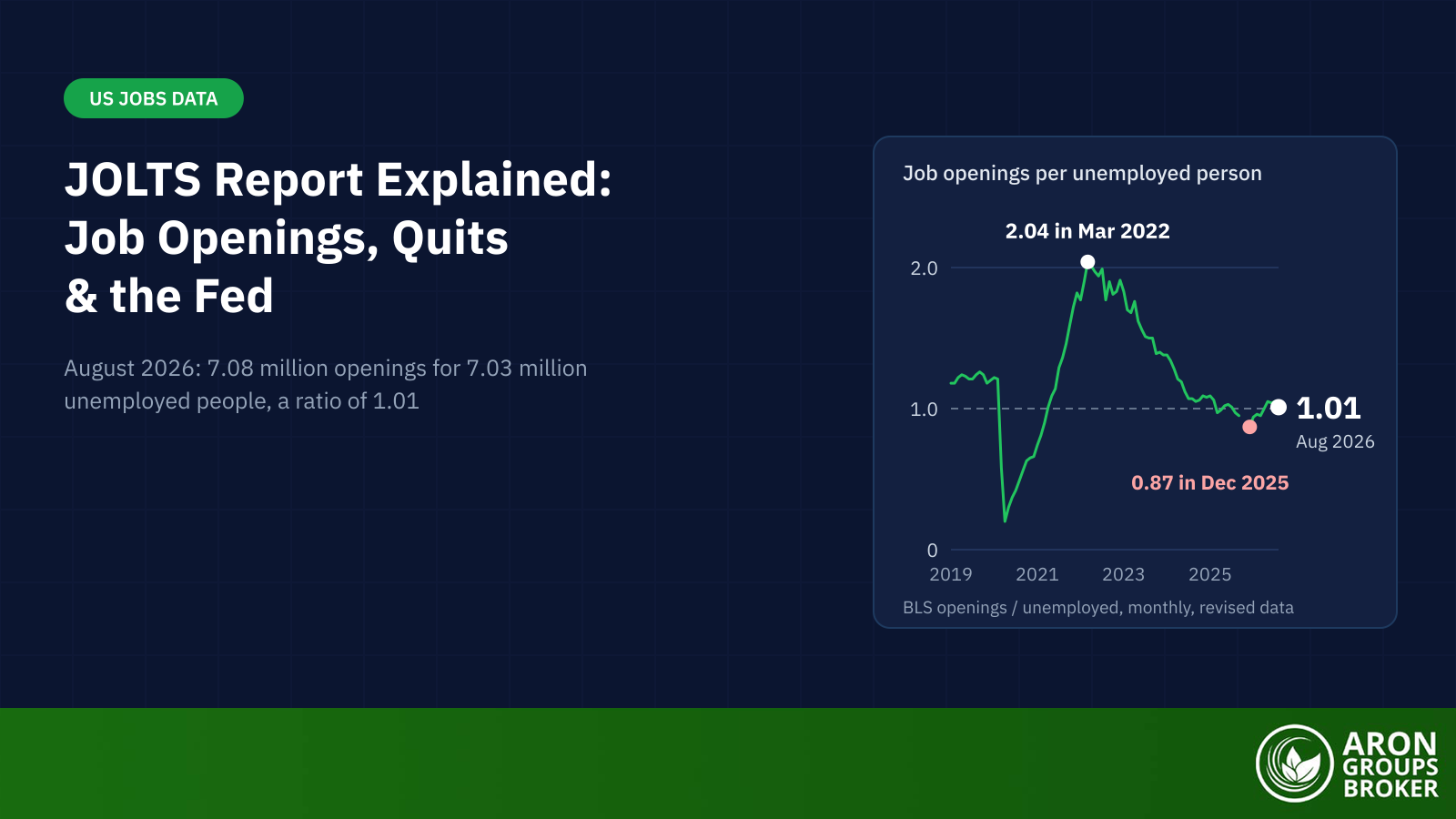
The JOLTS Report: How Job Openings, Quits, and the Vacancy Ratio Shape the Fed’s Path and Move Markets
21 October 2026
,
Abe Cofnas
The JOLTS report is the Job Openings and Labor Turnover Survey, a monthly release from the US Bureau of Labor Statistics (BLS). It measures the demand side of the labour market: the jobs employers want to fill, and how many workers are hired, quit or laid off. It does not measure unemployment. It matters now […]
- Read more
-
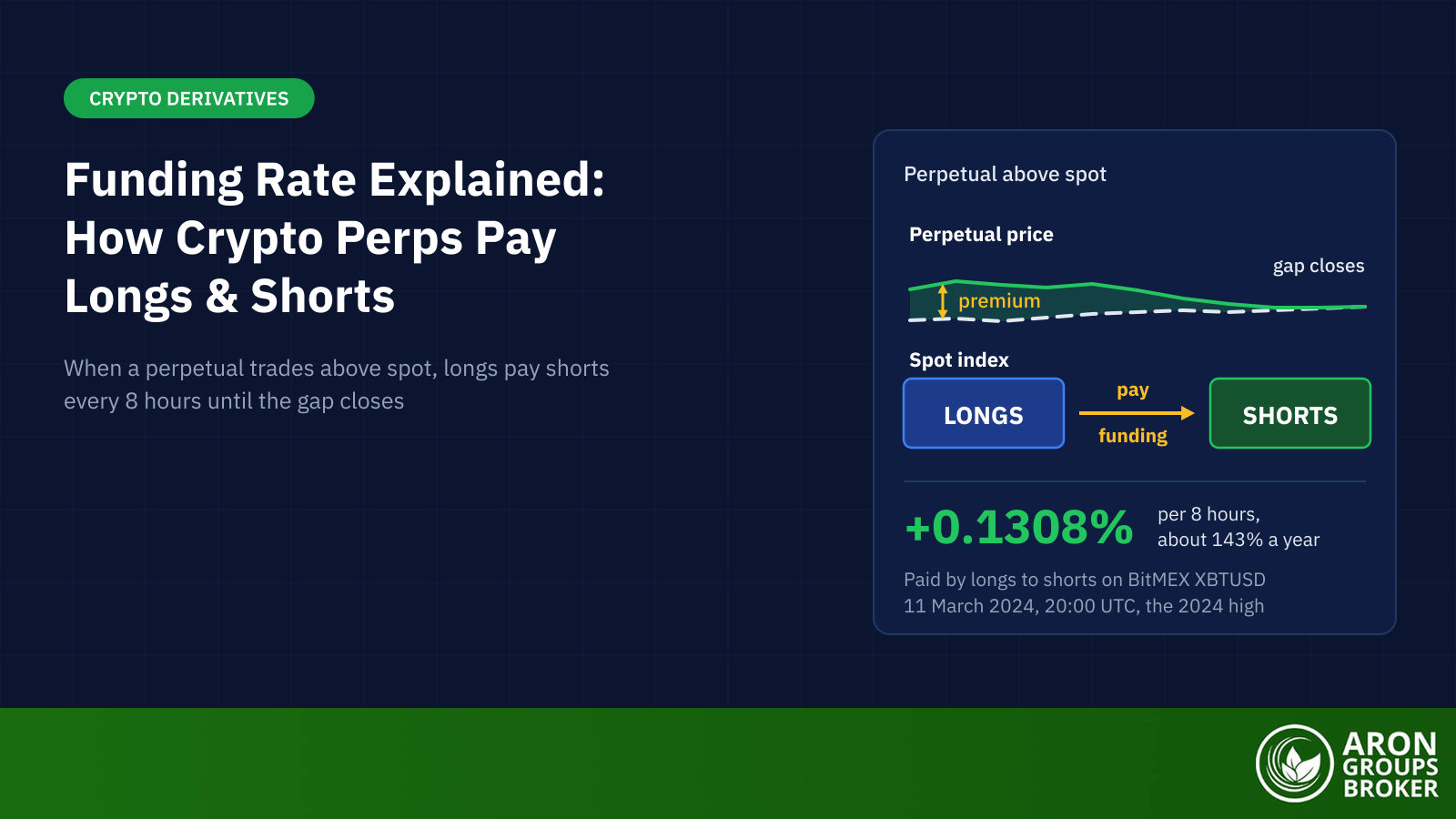
Funding Rate: How Perpetual Futures Keep Longs and Shorts in Balance, and What the Rate Tells You
19 October 2026
,
Walter Writes
A funding rate is a periodic payment exchanged directly between traders who are long and short a perpetual futures contract. Because a perpetual never expires, nothing forces its price back to spot at settlement. Funding does that job: when the perpetual trades above spot, longs pay shorts, and when it trades below, shorts pay longs. […]
- Read more
-
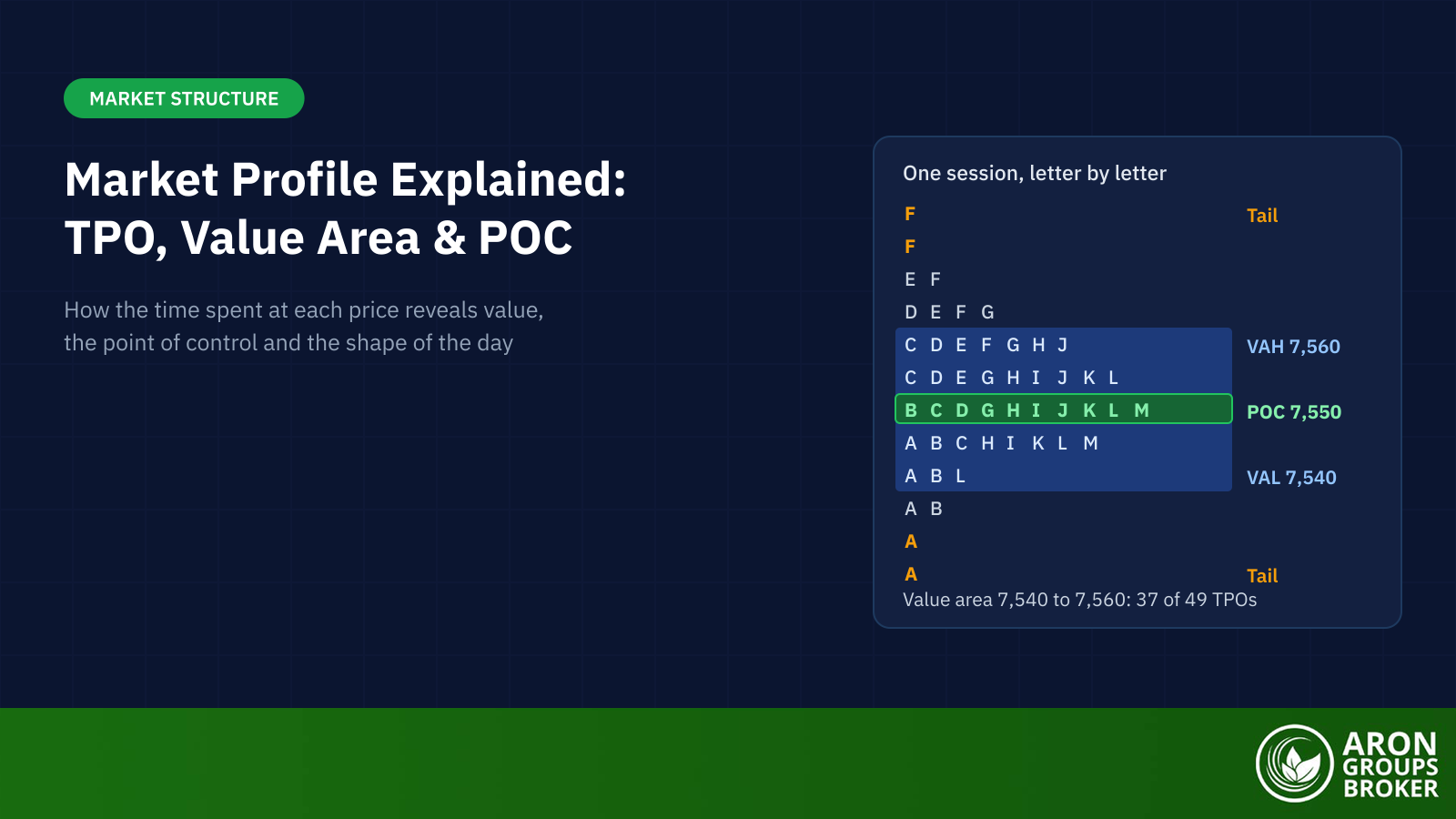
Market Profile: How TPO Charts Reveal Value, the Point of Control, and the Shape of the Day
19 October 2026
,
Abe Cofnas
Market Profile is a charting method that organises a trading session by how much time the market spends at each price. Each 30-minute period prints a letter, called a TPO, at every price it trades, and the stacked letters form a sideways bell curve. The fat middle shows value; the thin ends show rejected prices. […]
- Read more
-
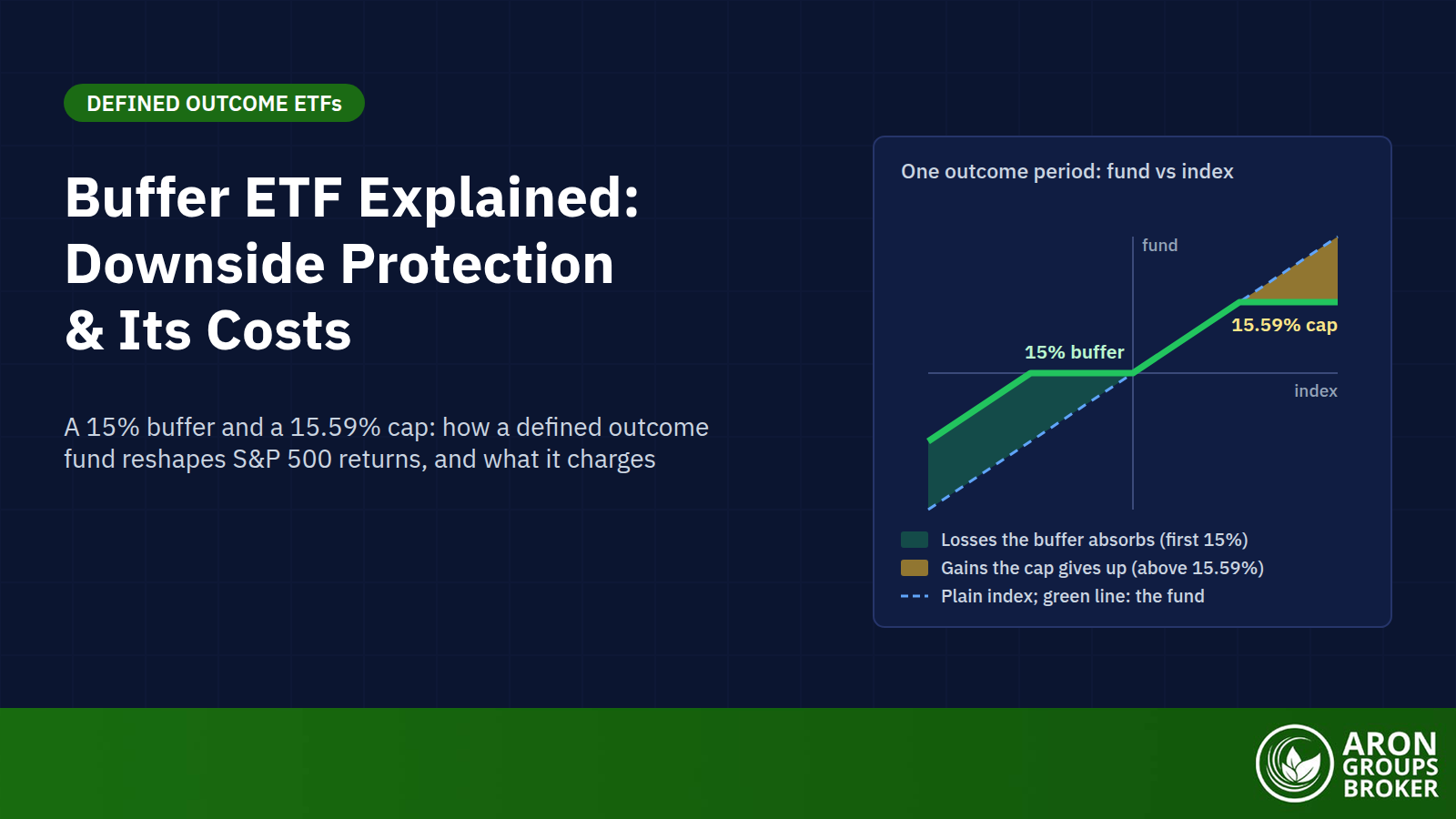
Buffer ETFs: How Defined-Outcome Funds Protect Your Downside, Cap Your Upside, and What That Protection Really Costs
19 October 2026
,
Abe Cofnas
A buffer ETF is an exchange-traded fund that uses options to absorb the first slice of a stock index’s losses, typically 10% to 20%. In exchange, it caps your gains. Also called a defined outcome ETF, it fixes the buffer, the cap and the time window, usually one year, on the day that window opens. […]
- Read more
-
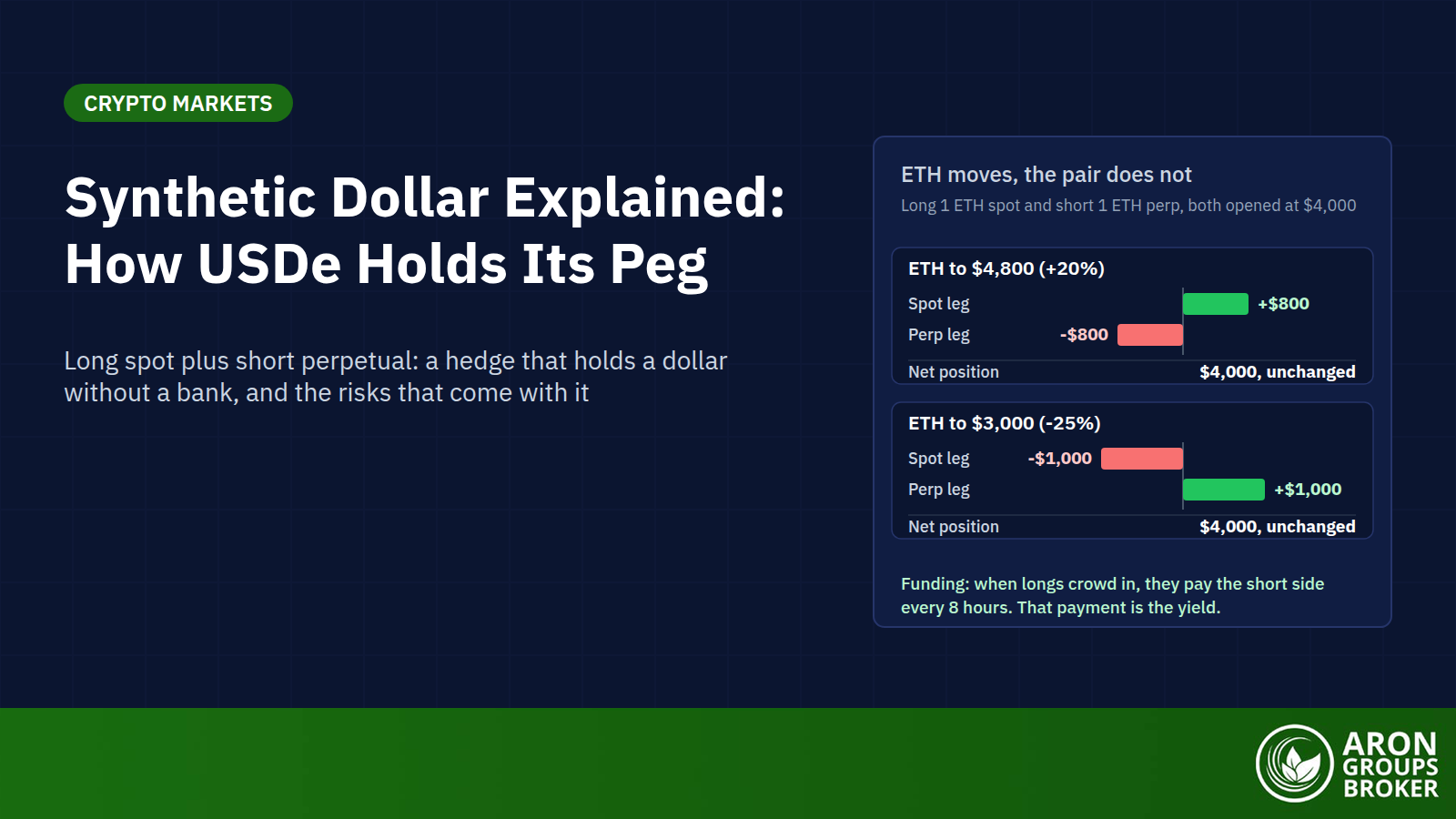
Synthetic Dollars: How Delta-Neutral Hedging Holds a Dollar Peg Without a Bank, and Why It Is Not Risk-Free
16 October 2026
,
Abe Cofnas
A synthetic dollar is a crypto token that holds a value of about one US dollar without cash and Treasury bills behind it. Instead of reserves, it uses a hedge: long spot crypto paired with an equal short position in perpetual futures. The leading example is USDe, which its issuer Ethena deliberately calls a synthetic […]
- Read more
Load more