


 EN


Forex
-
Iceberg Orders: How Institutions Hide Large Orders, and How to Spot Them
 20 September 2026
,
Abe Cofnas
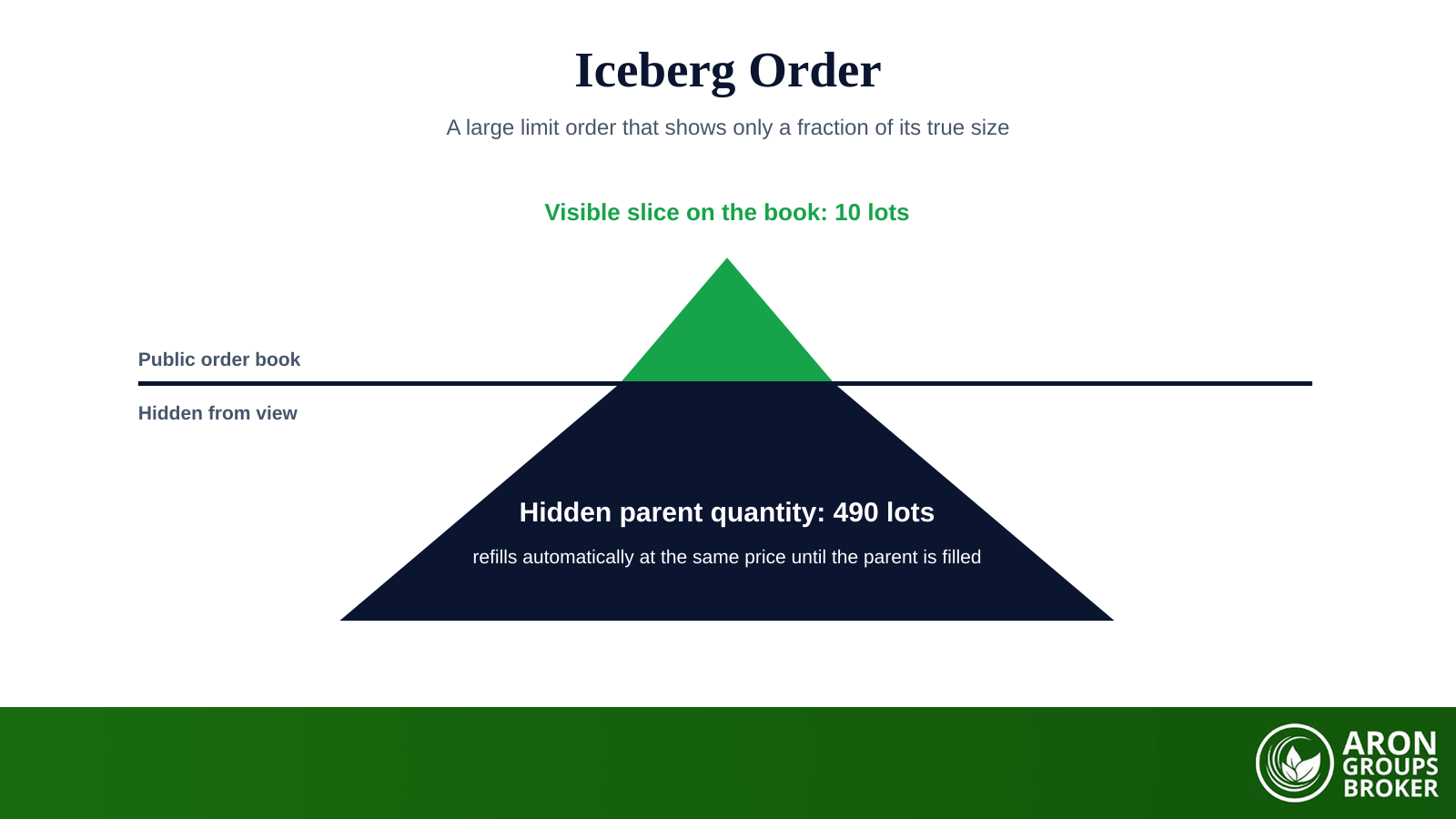
An iceberg order is a large limit order that displays only a small slice of its true size. The rest stays hidden, and refreshes automatically as each visible slice fills. The name is literal: the market sees the tip, and the mass sits below the surface. Exchanges also call it a reserve order, and the […]
- Read more
-
Maintenance Margin: The Minimum Equity to Keep a Trade Open, and How to Avoid a Margin Call
18 September 2026
,
Abe Cofnas
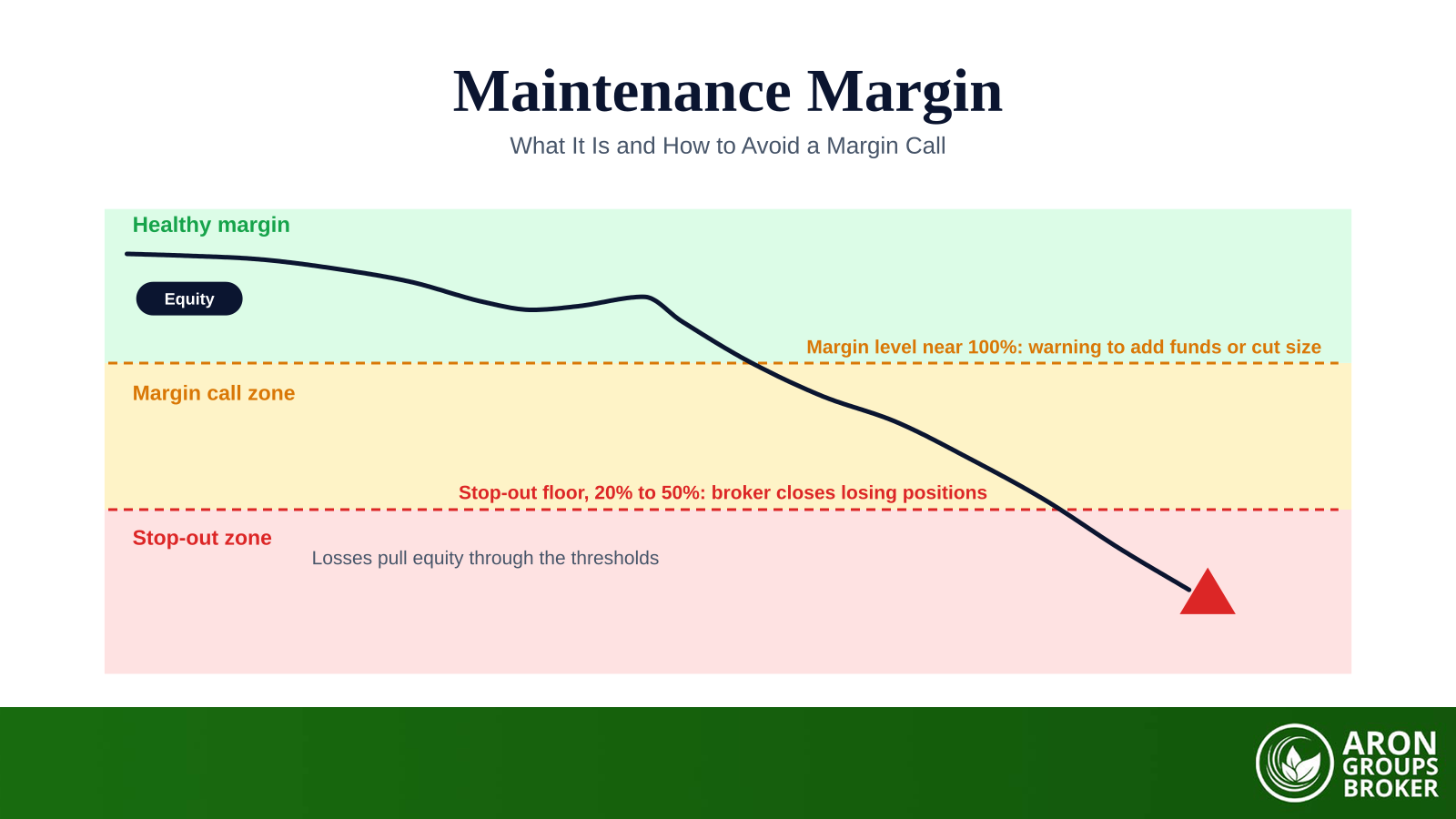
Maintenance margin is the minimum equity your account must hold to keep a leveraged position open. If losses pull equity below that floor, the broker issues a margin call, and continued decline brings forced liquidation. The requirement protects both sides of the account: it stops your losses growing beyond the deposit, and it spares the […]
- Read more
-
The Schaff Trend Cycle (STC): A Faster MACD, Its Settings, Signals, and Limits
18 September 2026
,
Abe Cofnas
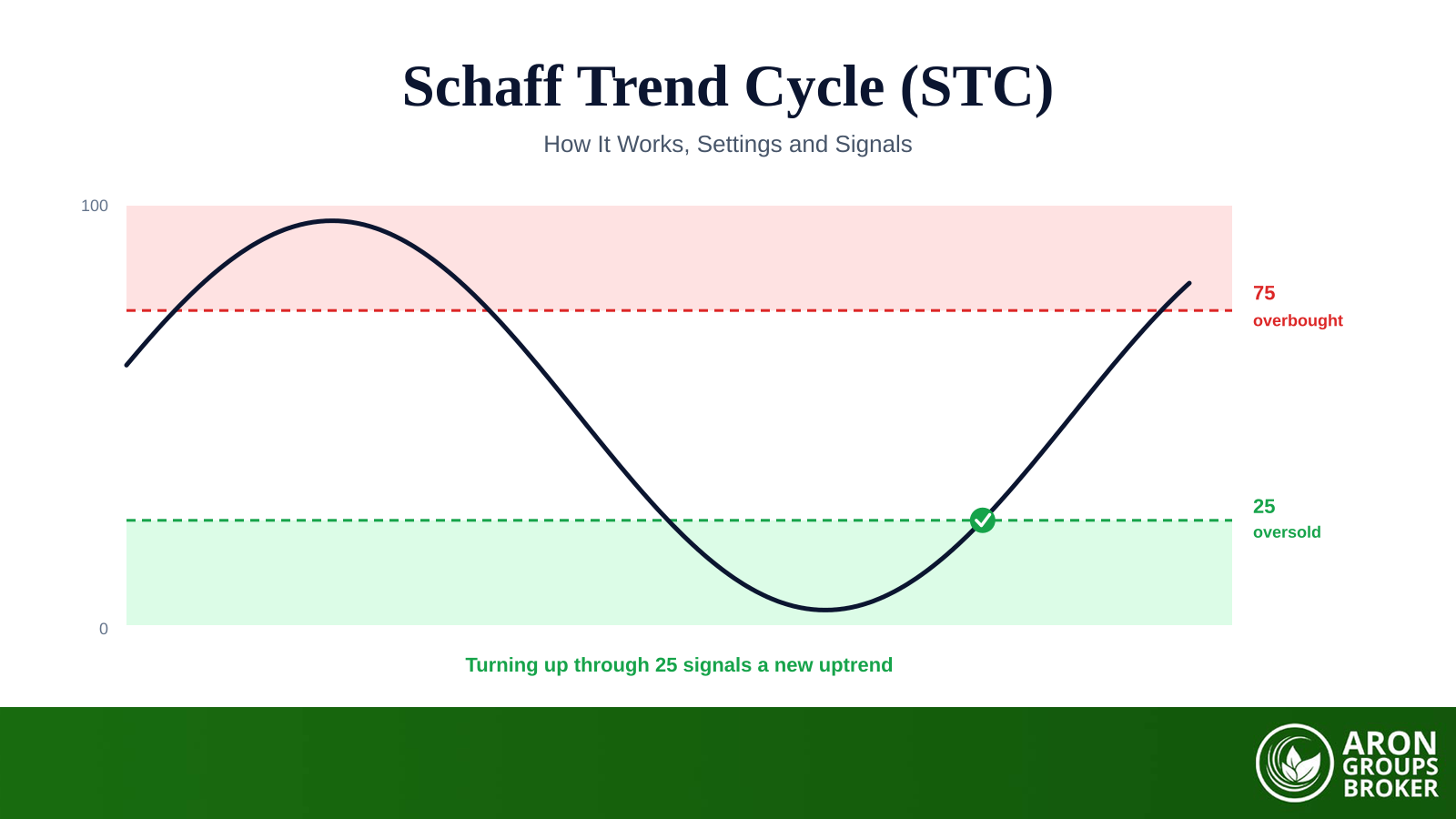
The Schaff Trend Cycle (STC) is a momentum oscillator developed by currency trader Doug Schaff that combines the MACD with a stochastic calculation. It oscillates between 0 and 100 and is designed to identify trend direction and turning points faster than the MACD alone. In practice it behaves like a quicker, cycle-aware upgrade of a […]
- Read more
-
The Best Forex Pairs to Trade During the Asian Session: A Complete Guide
30 August 2026
,
Abe Cofnas
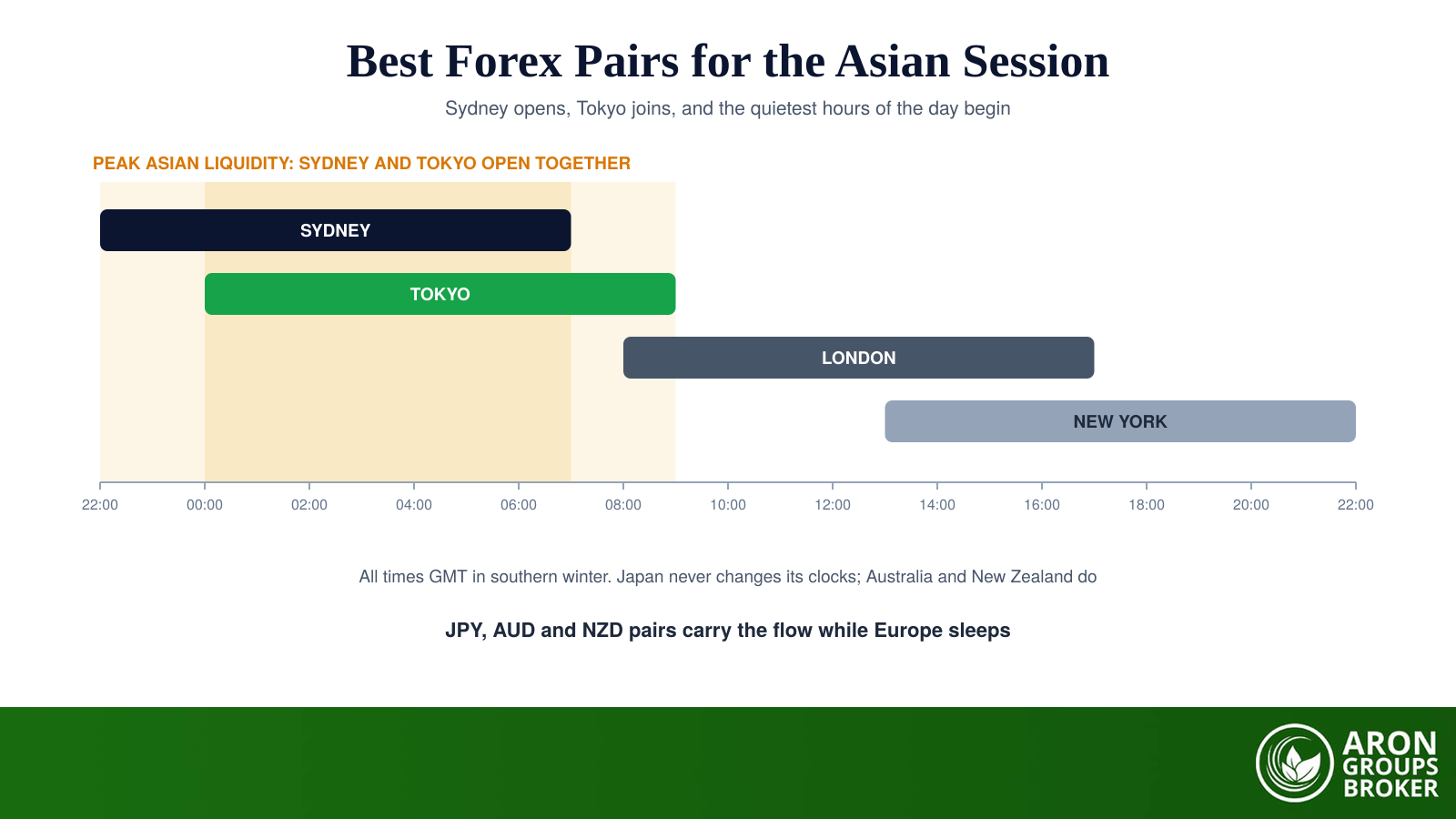
The best forex pairs to trade during the Asian session are the ones whose home markets are actually open: USD/JPY, AUD/USD and NZD/USD first, then the yen crosses AUD/JPY, EUR/JPY and GBP/JPY, with USD/CNH for traders who want direct exposure to Chinese flow. Everything else tends to drift sideways on thin volume until Europe arrives. […]
- Read more
-
The Best RSI Settings for 1-Minute Chart Scalping: A Complete Strategy Guide
30 August 2026
,
Abe Cofnas
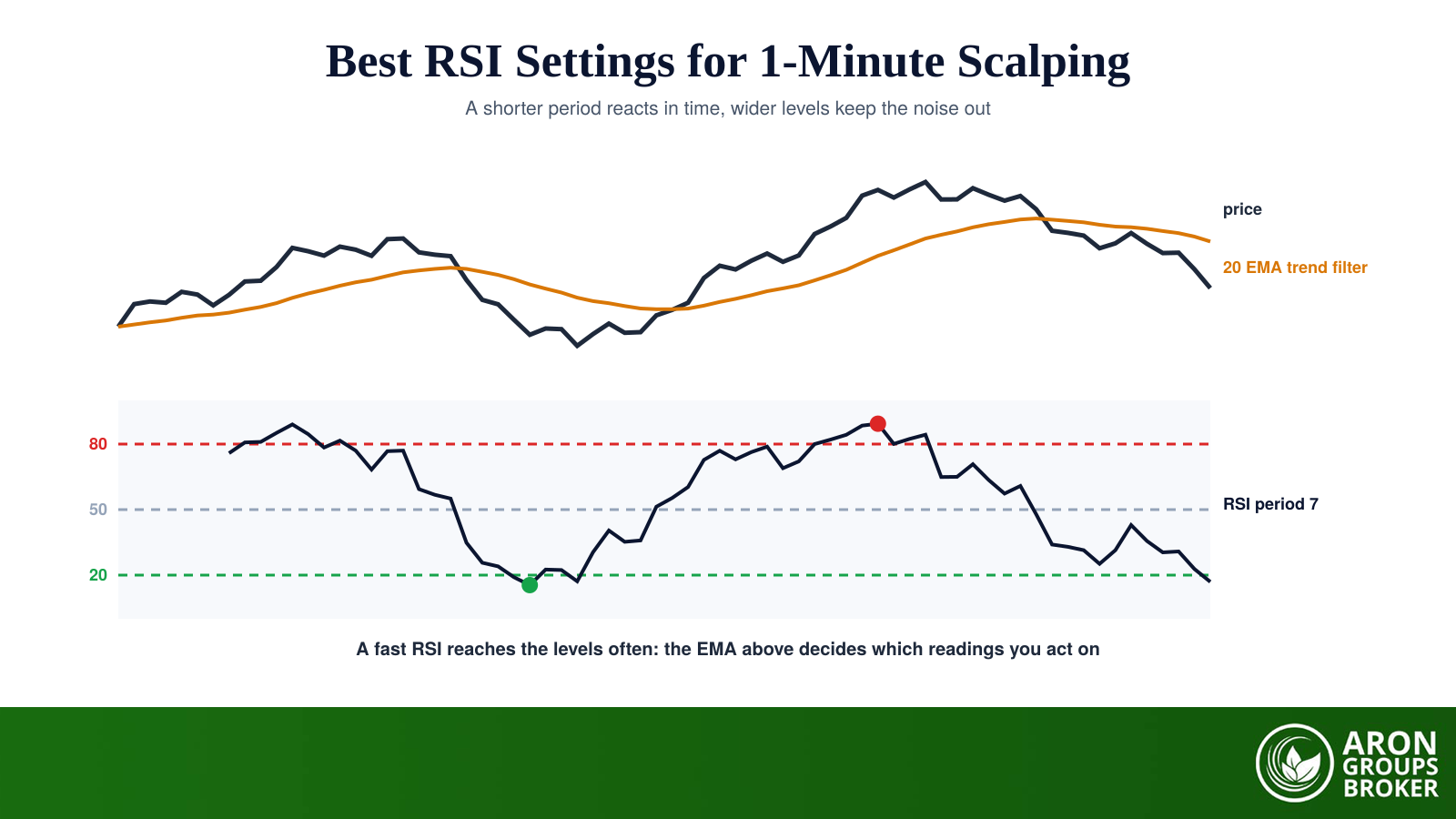
The most widely used RSI settings for 1-minute scalping are a period of 5 to 9 with the levels moved out to 80 and 20, filtered by a 20 period EMA so that only signals in the direction of the prevailing trend are taken. That combination exists because the default configuration, period 14 with 70 […]
- Read more
-
The Ultimate Guide to the TTM Squeeze Indicator: Setup, Rules, and Strategy
29 August 2026
,
Abe Cofnas
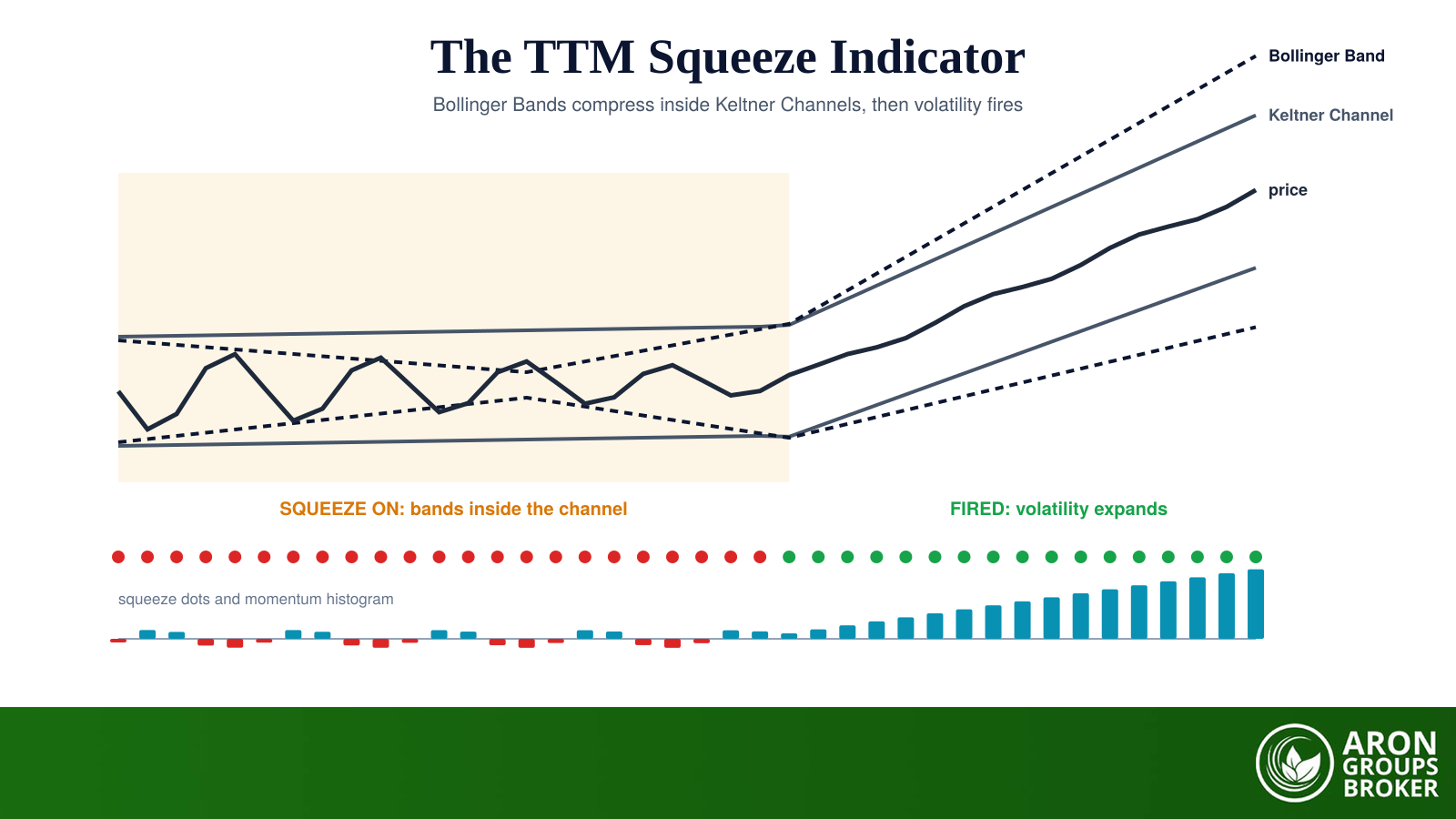
The TTM Squeeze indicator identifies periods of unusually low volatility that often come before large directional moves. It does this by comparing two familiar tools: when the Bollinger Bands contract entirely inside the Keltner Channels, the market is compressed and the indicator marks a squeeze. When the bands expand back outside the channels, the squeeze […]
- Read more
-
The Nadaraya-Watson Envelope: Kernel Regression, Settings, Repainting, and Honest Use
29 August 2026
,
Abe Cofnas
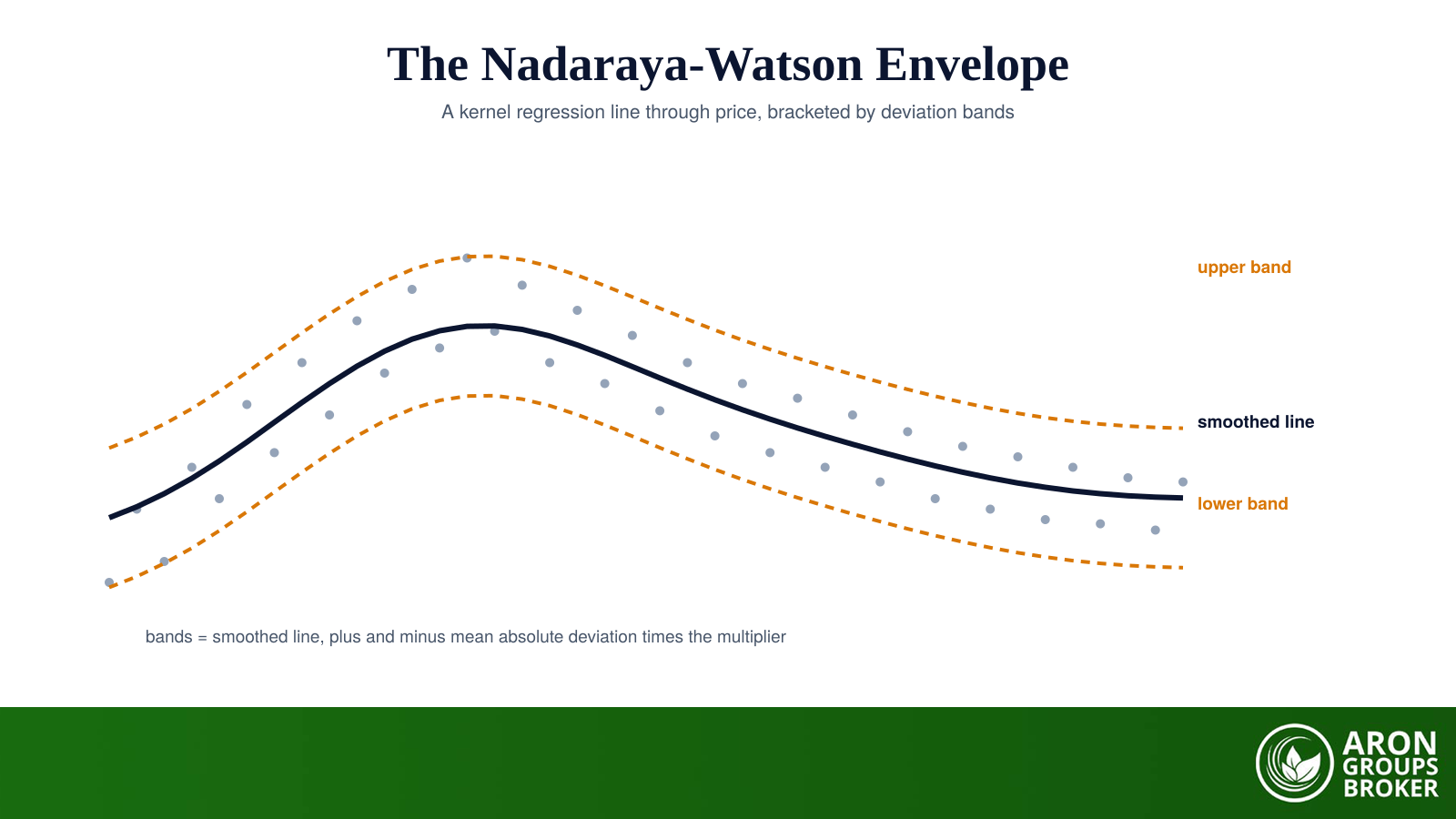
The Nadaraya-Watson envelope is a technical indicator that draws a smooth line through price using kernel regression, then places an upper and a lower band around it to form an envelope. Traders use the centreline to read the trend and the bands to spot stretched prices, treating a touch of either edge as a possible […]
- Read more
-
Opening Range Breakout (ORB): Rules, Timeframes, and How to Trade It in Forex
27 August 2026
,
Abe Cofnas
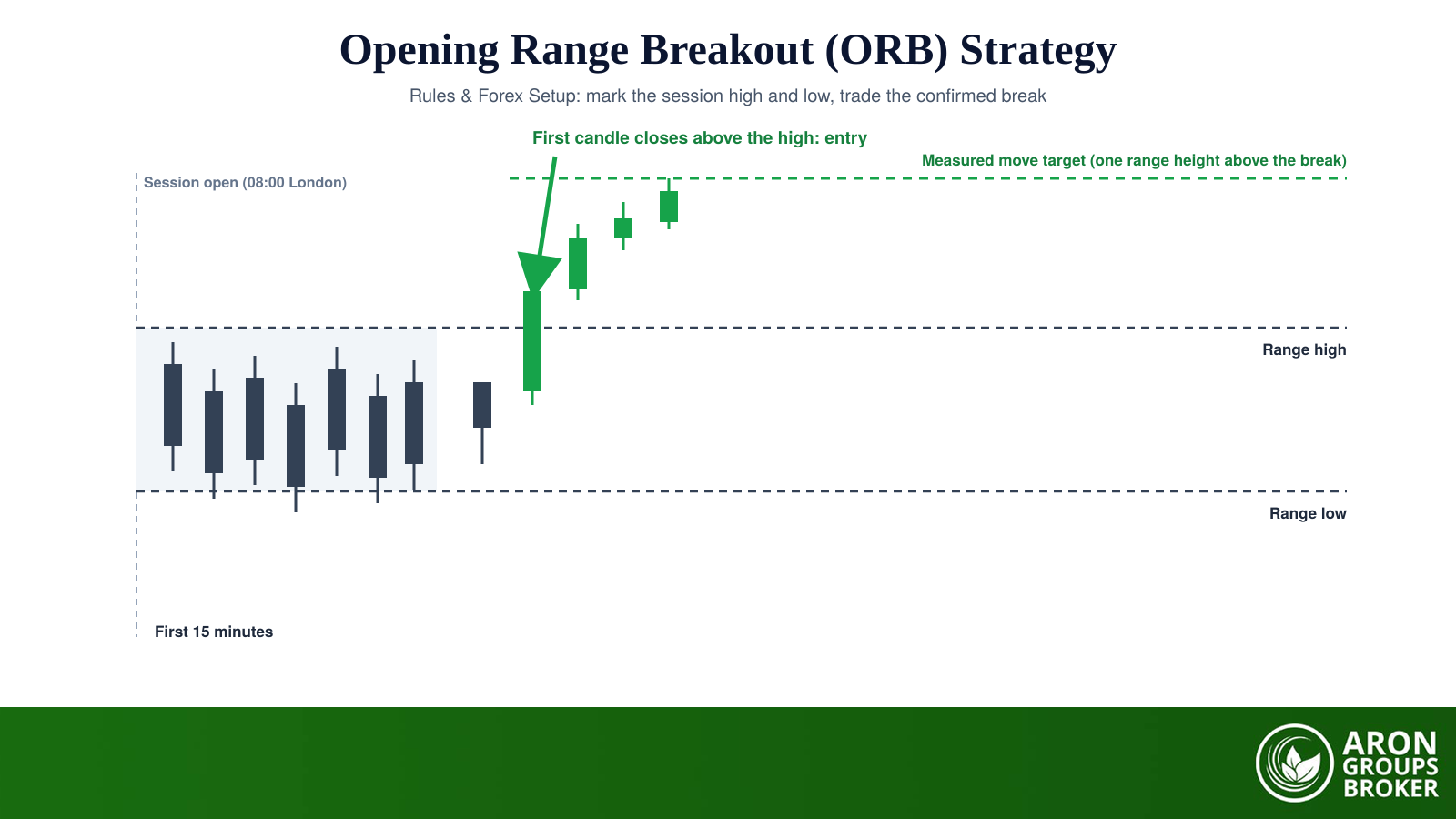
The opening range breakout (ORB) is a day trading strategy that marks the high and low of a session’s first minutes, then trades the break of those levels. A move above the range high is a long signal, and a move below the range low is a short signal. The logic is simple: the opening […]
- Read more
-
The Quarterly Theory: Time Cycles, the AMD-X Phases, True Opens, and How to Trade Them
27 August 2026
,
Abe Cofnas
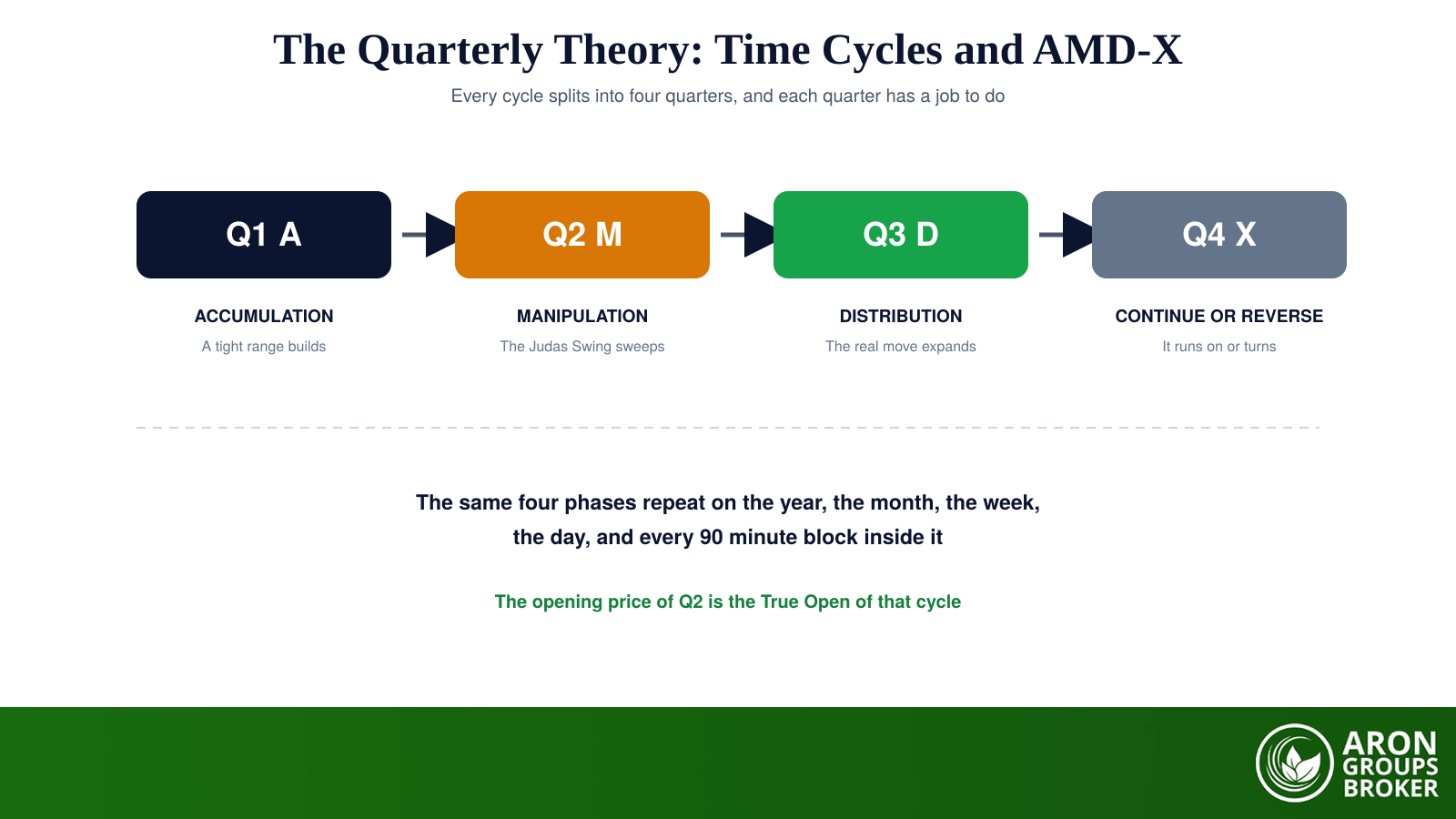
The Quarterly Theory is a time-based trading framework that divides every cycle into four quarters and expects each cycle to run through the same four phases: accumulation, manipulation, distribution, then continuation or reversal. Traders shorten that sequence to AMD-X. The claim is not that price must obey a clock, but that market delivery is organised […]
- Read more
-
Currency Intervention: How and Why Central Banks Step Into the FX Market
26 August 2026
,
Walter Writes
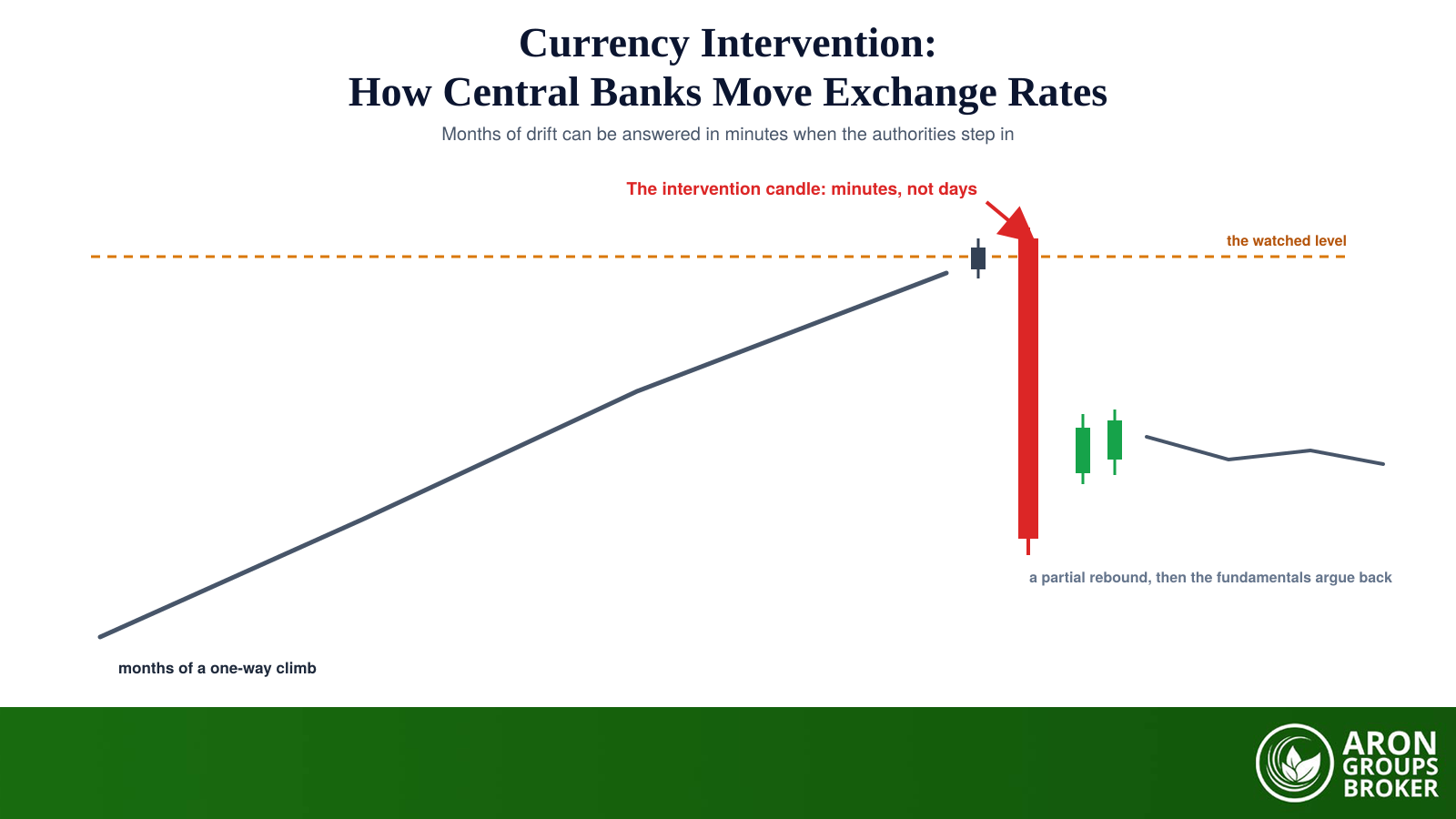
Currency intervention is when a central bank or monetary authority buys or sells its own currency in the foreign exchange market to influence the exchange rate. The usual aims are to calm disorderly volatility, correct a rate that has drifted far from fundamentals, or defend a peg or band. Sometimes the trade is real, and […]
- Read more
Load more